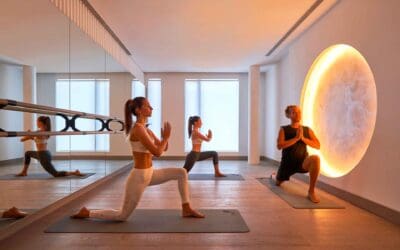
When you think of yoga or stretching, chances are you picture a mat, a few calming breaths and some poses to ease tension. But what about props? Props make yoga more accessible for everyone, but especially for beginners.
According to Oratiloe Matla, a yoga instructor and WH Cover Search 2024 finalist, they’re game-changers. “Props are an amazing way to support your practice!” And physiotherapist Wimpie van der Meijden, founder of the Athletic Recovery Centre in Cape Town, shares this sentiment. “While you don’t necessarily need a lot of equipment, a few items can enhance your routine,” he says. “These tools are meant to support your exercise program.”
READ MORE: “I’m A Yoga Instructor And Do These 8 Moves To Open My Hips And Loosen Tight Lower-Body Muscles.”
Meet the experts: Wimpie van der Meijden is a physiotherapist and founder of Athletic Recovery Centre in Cape Town. Oratiloe Matla is a yoga instructor and WH Cover Search 2024 finalist.
Why Use Props In Yoga & Stretching?
Props make yoga more accessible by reducing strain, improving alignment and helping you hold poses longer and more comfortably. Over time, this can improve flexibility and mobility while lowering the risk of injury.
Props are not new. They were popularised in Iyengar yoga, where blocks, straps and bolsters were used to help students maintain correct alignment in challenging poses.
Do Beginners Really Need Yoga Props?
While you can practise without them, props make learning alignment easier, reduce injury risk and help you stay in poses longer – especially when starting out. That’s why experts often highlight these five essential yoga props for beginners.
The Only 5 Tools You Really Need
1. Yoga Block
“Yoga blocks are great for deepening your stretches – for example, in pigeon pose, you can place a block underneath your front hip to create a more active stretch,” says Matla.
Blocks are especially helpful for beginners, since they bring the ground closer and reduce pressure on tight hips, hamstrings or shoulders. “I would recommend blocks for beginners – it’s the most versatile tool. These tools can also help you position yourself more comfortably into poses so you can stay there longer and ease deeper into stretches,” Matla explains.
Maxed Yoga Block

Fitness Fusion Yoga Block
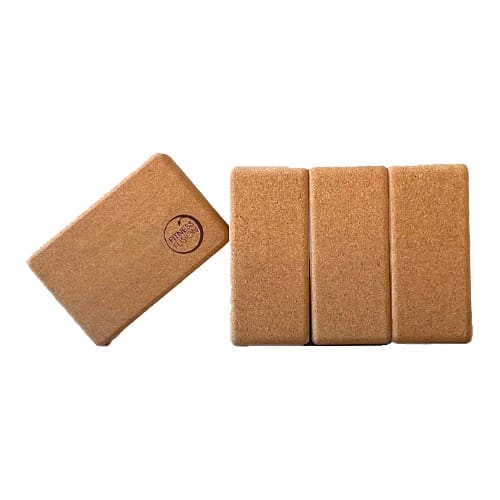
OTG Yoga Block

What Can I Use Instead Of A Yoga Block?
It’s best to use the correct equipment but if you’re in a pinch, sturdy books or even a rolled-up towel can work in place of a block. Yoga blocks are also pretty budget-friendly; our recs above are between R99.99 and R180.
2. Yoga Mat
Yoga mats provide a non-slip surface for stretching and yoga practices, shares van der Meijden. And a good mat isn’t just about comfort – it’s also about safety. Mats prevent slipping and provide cushioning for your knees, wrists and joints.
Trojan 10mm NBR Yoga Mat

MRP Sport Pu Yoga Mat

Asoka Alignment Yoga Mat

What’s The Best Yoga Mat Thickness?
You can look for around 4-6mm – thin enough for balance, cushioned enough for knees and wrists. Thicker mats (8-10mm) can work for restorative or prenatal yoga where extra joint comfort is needed.
READ MORE: Tight Hips Or Legs? Here’s What A Physio Recommends
3. Yoga Strap
Straps are excellent for hamstring stretches, binds and shoulder openers, allowing you to access poses without forcing your flexibility.
“My favourite [prop] to be a yoga strap, for those poses where you just yearn to reach for your toes,” reveals Matla. “It just reduces performance pressure and it’s an excellent way to track your progress as your hands move further along the strap.”
Justsports Samasthiti Yoga Strap
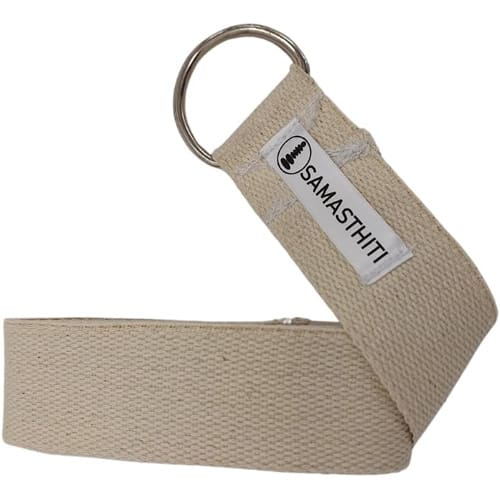
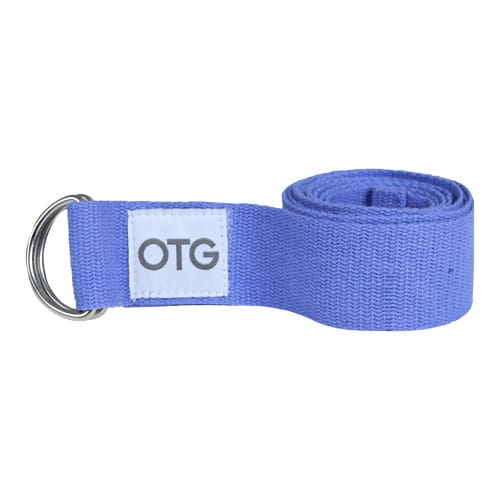
OTG Yoga Strap
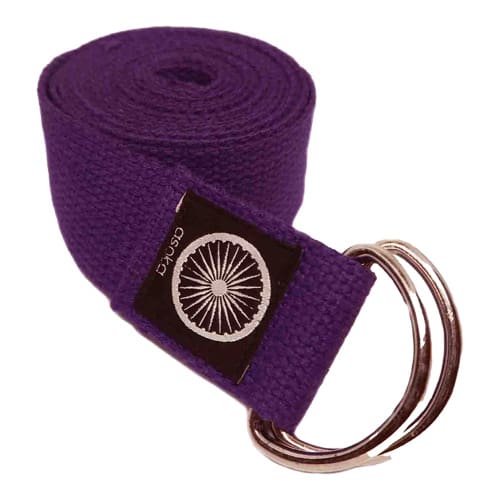
Asoka Cotton Yoga Strap
Can I Use Household Items Instead Of A Yoga Strap?
A towel, scarf or even a belt can do the job, making forward folds and shoulder stretches more accessible. For beginners, straps are one of the best yoga props for flexibility because they let you ease deeper into poses safely.
4. Foam Roller
Research shows foam rolling can reduce muscle tightness and improve short-term mobility when used properly. Which is why it’s a physiotherapist favourite for recovery between sessions. Van der Meijden says foam rollers are excellent for self-myofascial release to alleviate tightness.
Trojan Compact Roller

Trigger Point Grid 1.0

Hyperice Vyper Go

Are Foam Rollers Safe For Everyone?
They’re safe for most people, but if you’re recovering from injury, check with a physio first. Start with a softer roller (like the Trojan one) if you’re new.
5. Resistance Bands
Bands can help with assisted stretches, warm-ups, or adding light resistance to movements – making them a versatile bridge between yoga and strength training. Van der Meijden says they’re useful for dynamic stretches and gentle strength training.
Trojan Resistance Bands

Zulu Zenith Resistance Band

botthms Hip Resistance Bands

READ MORE: The 14 Yoga Stretches To Do Daily If You Want To Become More Flexible
Bonus Props Worth Trying
If you want to expand your kit, consider these extras:
- Bolster or cushion – great for restorative or yin yoga.
- Blanket or towel – adds comfort under knees or helps modify seated poses.
- Yoga wheel – supports deeper backbends and opens the spine.
- Wall or chair – simple supports for balance or accessible practice.
Best Yoga Props for Home Practice
If you’re working with limited space, a simple chair or wall can double as one of the most useful props. They’re free, versatile and perfect for beginners practising at home.
Safety Tips For Using Props
“[These tools] should complement a well-designed routine, and if you’re ever unsure about your technique, seek guidance from a physiotherapist,” van der Meijden advises.
Here are some other safety tips to keep in mind:
- Use props to support alignment, not replace effort.
- Don’t push deeper just because the prop allows it – focus on control.
- Clean mats, rollers and straps regularly to maintain grip and hygiene.
- Start with softer or padded props if you’re new.
- If you’re recovering from injury, check with a physio or instructor first.
Ultimately, you don’t need a cupboard full of gadgets to elevate your practice. With just a block, mat, strap, foam roller and resistance band, you can make stretching and yoga safer, more effective and more enjoyable. For beginners, these five essentials tick every box; for advanced yogis, bonus props like bolsters and wheels can add challenge and variety.
Women’s Health participates in various affiliate marketing programmes, which means we may get commissions on editorially chosen products purchased through our links to retailer sites.