For many women, money is one of the biggest sources of stress – yet also one of the least talked about. Schools teach us how to earn, spend and save, but rarely how to think about money in a way that supports our long-term well-being.
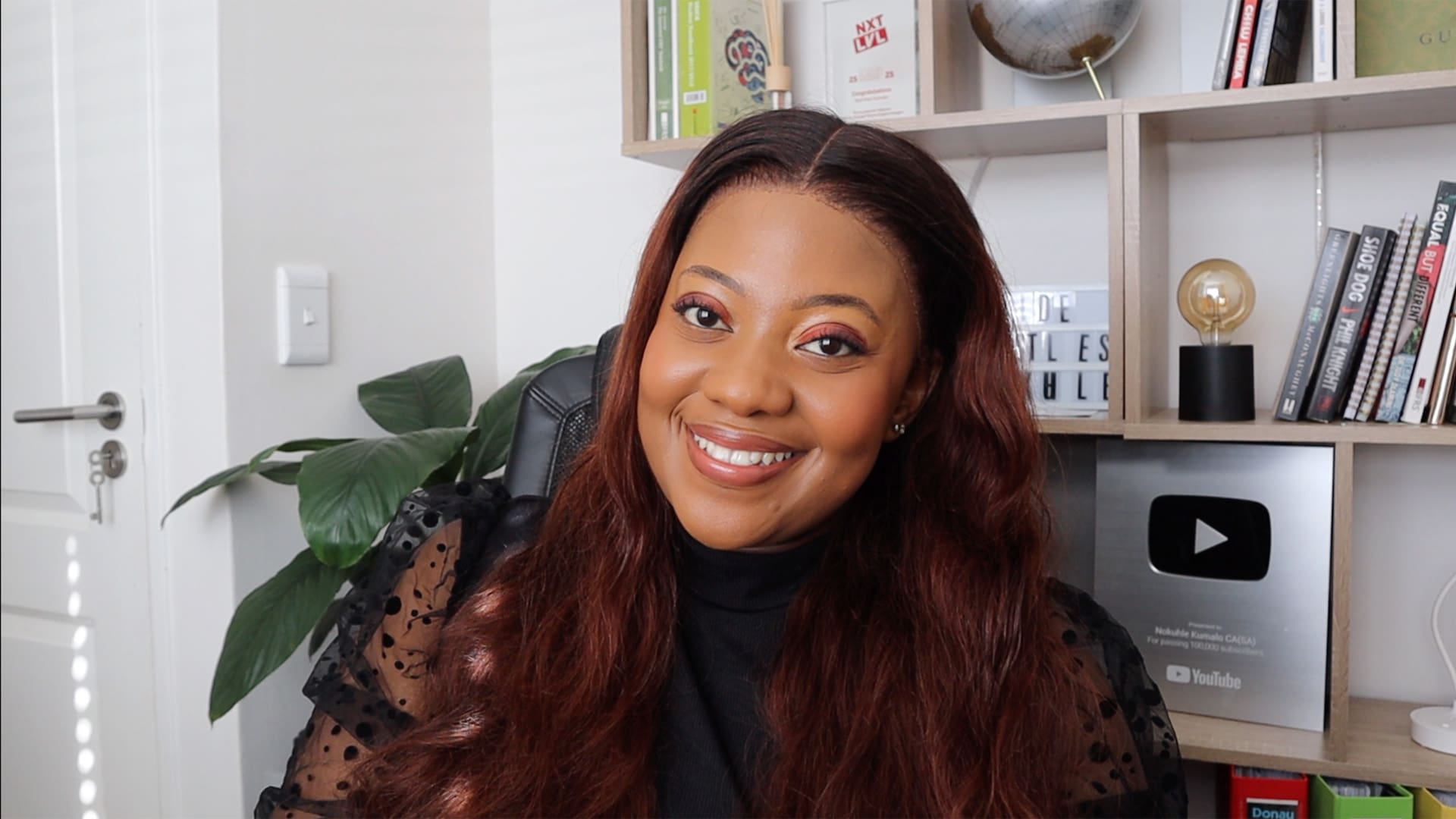
So, we sat down with personal finance educator, CA(SA) and Boss Your Money author Nokuhle Kumalo-Chamoto to ask your burning questions. Below, she shares the mindset shifts, habits and hard-earned lessons that have shaped her approach to wealth – and how every woman can start building a healthier relationship with her finances.
READ MORE: Break Bad Money Habits And Start Building Wealth, According To A Financial Planner
1. What is your personal financial philosophy in one sentence?
You can’t save your way to wealth – so learn how to make your money work for you (i.e. your money makes you more money).
2. What was your biggest money mindset shift or “aha moment”?
My biggest ‘aha moment’ with money came from focusing less on the money in my bank account and more on my overall net worth. This helps me feel better about seeing money leave my bank account because instead of viewing it as a loss of money or drawdown, I look at my finances from an ownership perspective. I constantly ask myself what assets am I building, what value am I creating and how does each decision (or rand spent today) strengthen my long-term financial position.
3. How does financial health affect mental health and overall well-being?
I realised money affects my general well-being and mood from a young age. For example, growing up my favourite day of the week was Thursday, which also happened to be when my parents gave me and my siblings our pocket money. But I only truly understood the link between financial health and confidence when I had a financial buffer or safety net that I had built up (i.e. an emergency fund/savings).
When you have an emergency fund, suddenly nothing feels catastrophic. You move through life with a quiet confidence because you know you’ll be okay – you’ll eat, your debit orders will be paid and you won’t spiral if something goes wrong today, this week or even this month. That sense of security changes your whole posture in life. It calms your mind and strengthens the way you show up.
READ MORE: Listen Up, You Need A “Get The F*** Out” Fund. Here’s How To Do It
4. What is one limiting belief about money that most women need to unlearn?
I used to believe that all debt was bad and should be avoided. However I realised that this was mainly because of how it had been framed by some people, whether it was me seeing people avoid certain calls (debt collectors) or speaking about debt with fear or regret due to misinformation or misunderstanding. As I grew older (and learnt more), I realised that not all debt is harmful. Whether it’s building your credit score or helping you buy a car or a home when you don’t have the full amount upfront, some debt can be useful when used with understanding and a clear plan.
5. Can money stress impact your emotional or physical health?
I’m fortunate enough to say I don’t think this has happened to me personally – but living in South Africa you see how money stress affects people every day. This motivates me to learn more about the real pain points that people have when it comes to money, so I can try to work on a solution that could help more people. Right now, my angle is mostly educational and information-based, but in the future I hope to work more directly with people and create an impact that’s measurable and felt in their everyday lives.
6. What is one simple financial habit that can instantly reduce stress?
Making a budget (lol). I know it sounds silly but whenever I’m super stressed or have a big project to consider (e.g. a wedding, moving provinces, deciding whether to take on a new role) I make a budget/forecast to see the financial implications of the various outcomes. This helps me move from a panicky state of being overwhelmed, to working with actual numbers and realistic scenarios, thus kick-starting my process of ‘figuring it out’.
7. How do you cope with financial anxiety when it creeps in?
Over and above making a budget (as mentioned above), taking a moment to reflect and appreciate the things that I already have helps me stay grounded. These moments of reflection help me realise that (1) I’m constantly making progress and (2) my (future) goals are valid and most likely achievable.
8. What is the most common way people unknowingly waste or lose money?
One big money leak people often overlook is unintentionally buying everyday items on credit, which means paying interest on things that don’t last. For example, someone might buy a R1 500 perfume but choose the ‘easier’ option of R300 a month for 8 months. It feels manageable in the moment, but they end up paying R900 extra for something that will be finished within a year. For consumables or short-lived items, it’s almost always better to save up and pay cash.
READ MORE: Do You Have A Bullsh*t Job? Here’s How To Tell – And Whether AI Could Replace You
9. What is the first step to take if you feel overwhelmed by your finances?
Make a realistic budget (not one you’d ‘aspire to achieve’) and see how much you make, what your expenses are and what gaps you have that make you feel like you don’t have enough.
Thereafter look for ways to supplement that gap. For more pressing needs you may need to start a side hustle, work overtime or sell items you no longer need. For less urgent matters, you could look at upskilling to work towards a promotion, starting a side hustle and/or pivoting your career plan.
This works better when you’ve set long-term goals (that speak to your life, family, career, livelihood, etc.). Those goals give you a clear destination and you can work backwards to decide what actions you need to take today to build the future you want.
10. What does “wealth” really mean beyond just having more money?
Wealth to me is being able to control my time – which means doing what I like when I want to do it. Currently, this looks like me being able to sleep in on most days (I work better at night). However, in the future I hope it translates to me being able to attend to my family and (future) children and their needs whilst also being able to show up for my work and career at a convenient time for me.
11. What is a money mistake that taught you an important lesson about self-care?
I chose a cheaper service provider to dye my dreadlocs/hair at the time and received terrible service that resulted in my scalp being badly damaged. I had to cut my long locs to help my scalp breathe and recover (it took forever). It kept reminding me of my mom’s words, “Cheap is sometimes expensive sisi”, because the effort of trying to recover my scalp was not worth the R100 I thought I was saving.
12. When you’re not creating finance content, how do you recharge and practise self-care?
I love this question! Spending time with my family and loved ones recharges me. I also enjoy binge-watching K-dramas and South African reality shows (I will tweet my way throughout various episodes because I’m always so entertained).
13. What is your book Boss Your Money about and who is it for?
My new book titled Boss Your Money is about learning the wealth creation formula – in a South African context. I realised a lot of us have a desire to be rich/wealthy/financially secure, however didn’t know where to look or who to ask to assist us in planning to reach that goal. This book aims to bridge that gap and give us that background in an easy to understand way with relatable stories.
14. How do you define financial health?
Financial health is having a balance between enjoying your life today and still being secure for your tomorrow (your future).
READ MORE: Red Flags To Look Out For When Hunting For A New Job
15. What is your best piece of advice for women who want to take control of their money?
‘First make it exist, then make it perfect”. A lot of people want to wait until they have “the right amount of money” or “all the tools and skills” before taking a step towards their financial goals. When it comes to money and building your wealth, it’s better to start as early as possible and figure out the finer details later.
16. What is the one money lesson every South African woman should know?
Don’t let any goal you set be in the (financial) control of someone else. Your parents, partner, employer, children etc. can all be great helping hands towards the dream you have, however the ultimate control should always remain with you to avoid disappointment.
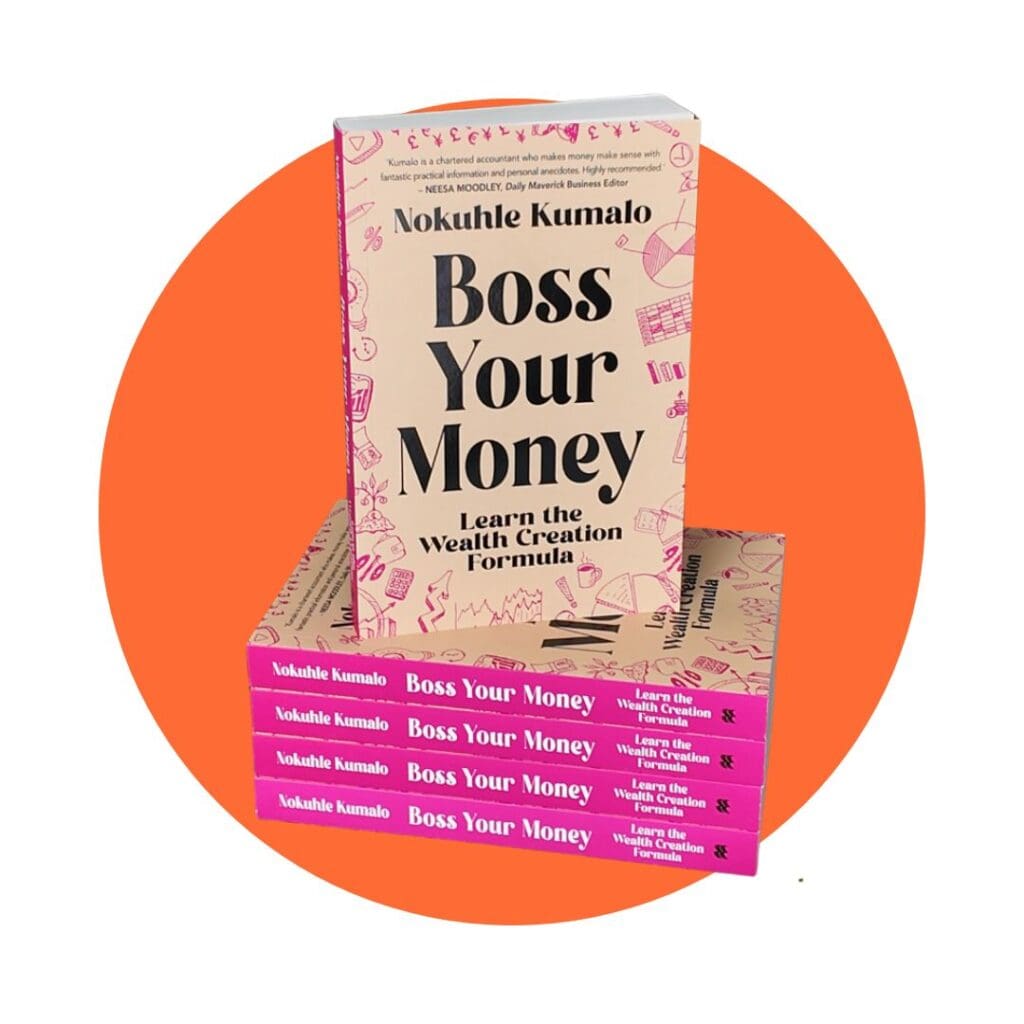
Boss Your Money is a no-fluff guide to building wealth in South Africa, written by someone who has asked all the same questions you have about work, salary negotiation, saving and investing, buying your first car or home and more. This isn’t about quick tips or flashy flexes; it will help you understand money and finally take control of how you earn, spend, save and build your wealth.