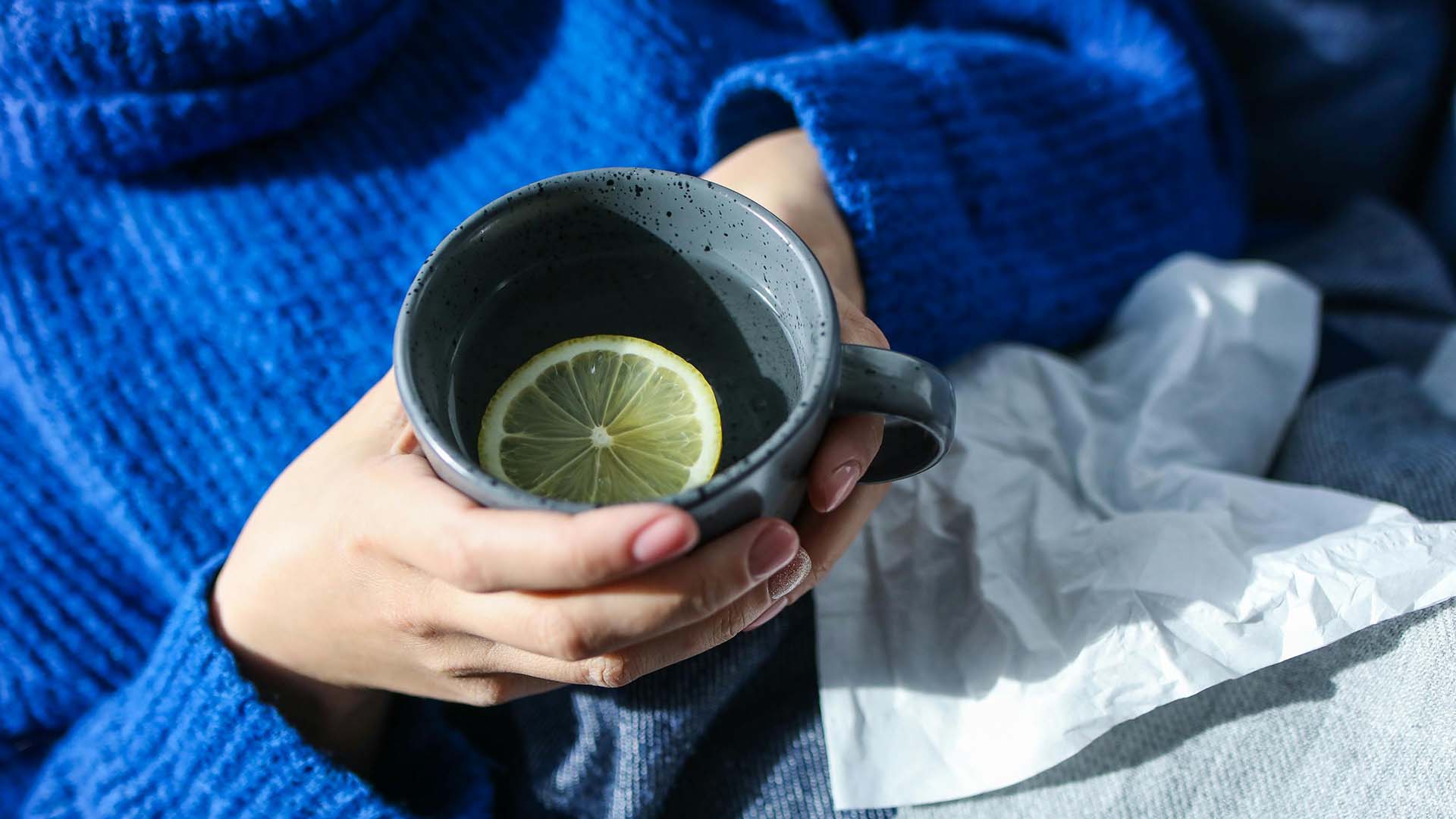
If you can’t remember the last time someone replied to a “how are you” message with anything other than a sneezing emoji, there’s some good news at least: with the crisp turn of autumn, we’re still a little way off from the true peak of cold and flu season. As for right now, though, the combination of dropping evening temperatures and the sudden shift toward indoor-centric socialising (no thanks to those first wintry cold fronts) is creating the perfect conditions for viruses to flourish. So, it makes sense if it seems as though everyone in your circle is currently under the weather.
The best way to avoid feeling bunged up and completely rubbish is to elude catching a cold in the first place. But, between busy offices and packed gyms, that’s much easier said than done.
Colds usually last around seven to ten days. “Symptoms are typically worst around day two or three, then gradually improve. Some people may have lingering symptoms for two to three weeks,” says private GP and co-founder of Coyne Medical, Dr Lucy Hooper. But self-help measures can shorten a cold by one-two days.
So, what steps can you take when you feel a cold coming on to get it over with as quickly as possible? We asked Dr Hooper to talk us through her go-to routine for the fastest possible recovery from a cold.
8 Things To Do The Moment You Feel A Cold Coming On
1. Prioritise rest and sleep
It’s not a particularly exciting intervention, but quality sleep is a core component of recovery – whether you’re overcoming a common cold, adenovirus or an injury.
“Getting good quality sleep, ideally at least seven hours, supports immune system function,” Dr Hooper says. “When cold viruses infect the upper airways (nose, sinuses and throat), the immune system reacts. We produce chemicals called cytokines, which trigger symptoms like a blocked or runny nose.” These chemicals, she explains, enter the bloodstream and affect the brain and nervous system, making us feel tired, foggy and low in energy. They’re also produced and released during sleep.
When your body rests during sleep, resources can be redirected to support the immune system in fighting the virus.
2. Increase fluid intake
Hydration is always important for optimal health – but it plays a key role in recovery from illness.
“Drinking more water and fluids helps the mucosal lining work at its best to defend against infection,” Dr Hooper explains. This helps to prevent airways from becoming blocked due to mucus build-up, and replenishes fluids lost due to fever or sweating.
Staying hydrated also helps your circulation, ensuring essential nutrients and oxygen are easily transported to cells.
READ MORE: It’s Immune-Boosting Benefits Are Legendary, But There’s Even More To A Cup Of Rooibos Than That
3. Increase vitamin C intake
Your grandmother wasn’t being totally honest when she told you eating carrots could help you see in the dark, but she was onto something when she recommended orange slices for cold and flu recovery.
“Taking vitamin C regularly (1 to 2g per day) may reduce the length and severity of common cold symptoms,” says Dr Hooper. A serving of two easy-peelers delivers around 34mg vitamin C, while one medium kiwi contains roughly 64mg.
“It works best when taken before symptoms appear,” Dr Hooper says. But with additional nutrients including fibre and potassium, kiwis and citrus fruits are great additions to your diet regardless of what stage of recovery you’re currently at.
READ MORE: What To Eat To Avoid Colds And Boost Your Immune System, According To A Dietician
4. Supplement with zinc
“Zinc lozenges taken within the first 24 hours of a cold, at a total daily dose of 75 mg, may speed recovery,” says Dr Hooper. Research indicates that zinc may block rhinovirus – the most common cause of the common cold – from getting into cells. It’s not a magic fix, though.
“The taste can be unpleasant and it may cause nausea,” Dr Hooper cautions. “Zinc is not recommended for children, those who are pregnant or breastfeeding, people with kidney disease, or anyone with zinc sensitivity or allergy.”
5. Ensure you’re consuming enough vitamin D
There’s a common theme here – essentially, ensuring you’re getting all the vitamins and minerals your body needs to function optimally and fight illness. Vitamin D is vital for recovery.
“It is essential in my family during winter,” says Dr Hooper. In the summer, we can usually get all the vitamin D we need through diet and sun exposure alone, but in the winter, most people need to supplement. NHS guidelines advise that everyone over one year old takes a daily 10-microgram vitamin D supplement.
“If anyone is getting ill, I make sure it isn’t missed,” says Dr Hooper. “It may help shorten a cold and protect against complications such as pneumonia.”
READ MORE: 10 Cold And Flu Remedies That Actually Work
6. Wash your hands more than usual
Sounds obvious, but washing your hands regularly throughout the day – and particularly after sneezing, coughing or blowing your nose, can help to control the outbreak of the virus. “It helps stop germs spreading at home or in the office,” says Dr Hooper.
7. Closely monitor your symptoms
“If things aren’t progressing as expected or you’re worried, it’s better to seek medical help sooner rather than later,” Dr Hooper advises.
In general, symptoms lasting longer than one to two weeks are worth flagging with your GP or health provider. “Severe symptoms such as shortness of breath, chest pain, fever that doesn’t respond to over-the-counter medicines like paracetamol or ibuprofen, or confusion may signal a more serious illness and require urgent medical attention,” warns Dr Hooper. “The most common complications of a cold are sinusitis, otitis media (middle ear infection) and pneumonia.”
8. Manage stress
One of the best things you can do to fast-track cold recovery, is manage and reduce stress. “The immune system is sensitive to stress, so minimising extra pressure is sensible,” says Dr Hooper.
Stress suppresses the immune system, making it harder to fight off illness. Stress management looks different for everyone, but could involve meditation or journalling, or any activity you find soothing – whether reading a book of indulging in another episode of Bridgerton.
This article by Abbi Henderson was originally published on Women’s Health UK.