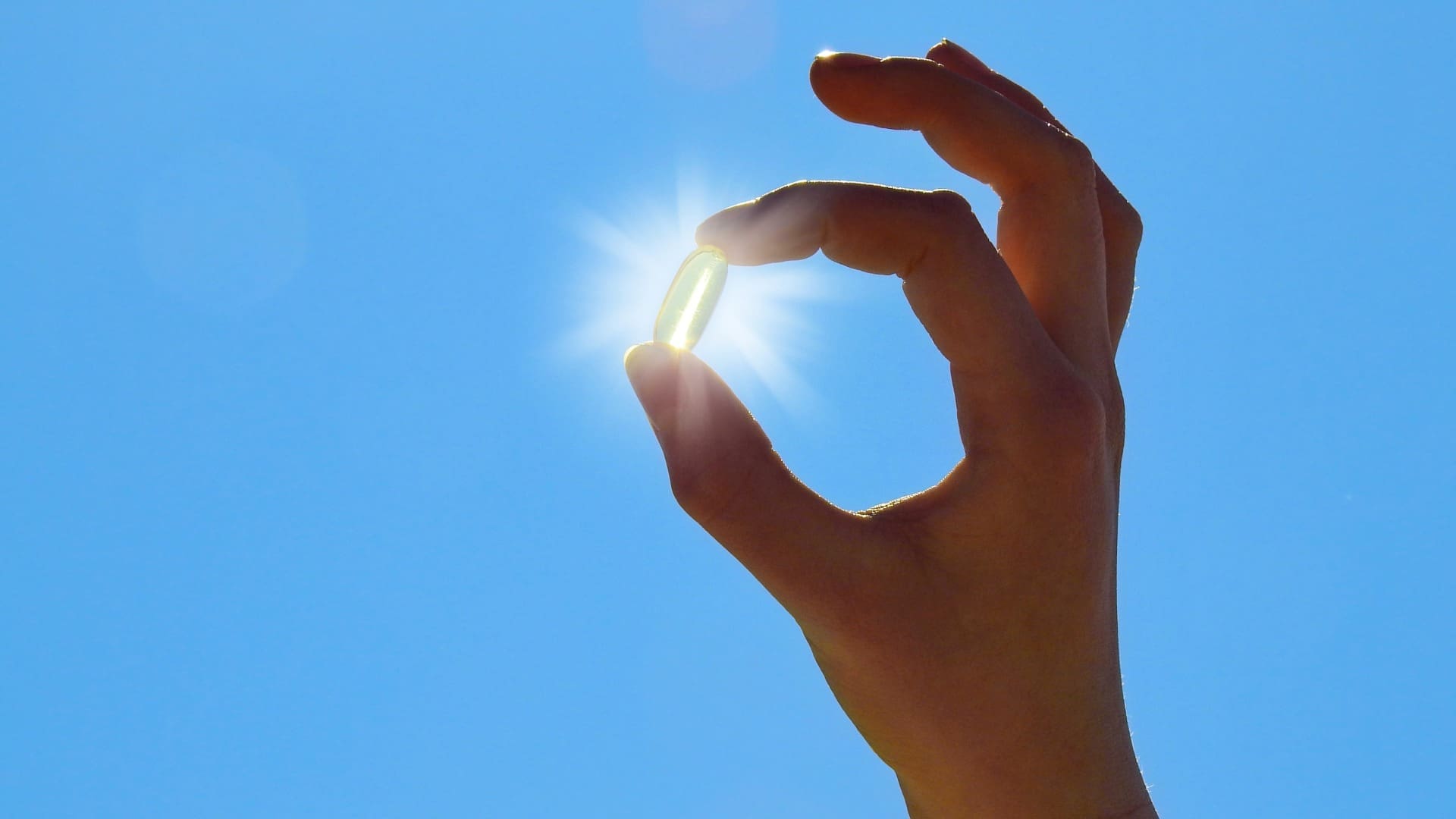
One of the strangest biological catch-22s is the relationship between a human being and the sun. While excess sun exposure is linked to skin cancer, too little creates vitamin D deficiency. Unfortunately, statistics show that South African women show some of the highest numbers of vitamin D deficiency, suggesting that the sun just isn’t hitting our skin enough. Even worse, the signs of low vitamin D can be as stealthy as the deficiency itself – so you may not know until you’re in serious territory.
Women of colour in South Africa are most affected by vitamin D deficiency, despite how sunny the country is. A South African Family Practice study found that among the nearly 2 000 women studied, Indian females presented with the highest levels of severe vitamin D deficiency. Even scarier? The study was conducted in KwaZulu-Natal, the country’s most tropical province.
Causes Of Vitamin D Deficiency In South Africa
90% of the vitamin D in your body is made when exposed to the sun. But for most of us, the sun is a star we try *not* to gaze at. Instead, the average urban person spends their time in an office, indoors, or outside, but covered up by sunscreen. It’s a global phenomenon: countries that experience high levels of sunlight all have high levels of vitamin D deficiency. But among people of colour, the story goes deeper. Skin pigmentation plays a role in how much vitamin D your body can physically absorb. People with darker skin have higher levels of melanin, which acts as a natural sunscreen. But because melanin absorbs UVB light, dark skin requires up to 6 to 10 times more sun exposure to produce the same amount of vitamin D as lighter skin. As South Africa is a country made up of mostly melanated people, we have a higher number of low vitamin D cases.
It doesn’t end there – clothing, such as long-sleeved shirts that block the sun – can also interfere with the sun’s good intentions. And then there’s our diets. If you’re vegetarian, you’re likely struggling to get vitamin D from food, because vitamin D is heavily concentrated in oily fish (salmon, sardines) and beef liver. And, living in an urban area also works against you. Studies show that Black people living in metro areas like Johannesburg or Cape Town have much lower vitamin D levels than those in rural areas due to smog, desk jobs and indoor commutes.
READ MORE: The Risks of Tanning (And Yes, We Mean Sun Exposure Too)
Risks Of Low Vitamin D
More than one-third of people worldwide have insufficient levels of vitamin D, which has been linked to a decreased risk of osteoporosis, cancer and cardiovascular disease, researchers report in a new study appearing in the British Journal of Nutrition. In a systematic review of 200 population-based vitamin D studies from 44 countries, principal investigator Dr Kristina Hoffmann of Heidelberg University’s Mannheim Institute of Public Health (MIPH) and colleagues found that 37.3 percent of the studies reported mean values of the nutrient deemed inadequate by most health authorities worldwide.
“Low levels of vitamin D have a potentially serious impact on health, particularly on bone and muscle health,” the International Osteoporosis Foundation (IOF) explained in a statement. The organisation, which is dedicated to the prevention, diagnosis and treatment of osteoporosis and related musculoskeletal diseases, explained that vitamin D deficiency can cause rickets in children, as well as osteomalacia, osteopenia, osteoporosis and risk of fracture in adults. Studies have also linked the condition to increased risk for cancer and cardiovascular diseases, they noted. According to CANSA, “Vitamin D deficiency has been associated with increased risk of common cancers, autoimmune diseases, hypertension, and infectious diseases.”
“Given the global increase in the number of seniors and the almost fourfold increase in hip fractures due to osteoporosis since 1990, public health officials must address the impact of inadequate vitamin D status on fracture risk and overall health in their ageing populations as well as on children and adolescents,” said IOF CEO Judy Stenmark. “IOF urges further research as well as public health measures that would help to improve vitamin D status in these high-risk population groups.”
READ MORE: Common Misconceptions About Vaccinations And The Risks Of Missing Vaccines
Symptoms Of Vitamin D Deficiency In South Africa
Big bummer: there are so few clear symptoms of vitamin D deficiency. But! These symptoms, if they sound familiar, are related to prolonged and severe vitamin D deficiency:
- Bone pain (ie, back pain, knee pain)
- Joint pains
- Muscle pain
- Muscle twitching
- Weakness
- Poor absorption of calcium (which could look like brittle nails, pins and needles and sore muscles)
- Depression and anxiety
What to do if you think your vitamin D levels are low
Book an appointment with your doctor and request a test. You can ask for a “25-hydroxyvitamin D test”, which will check for your D levels. Thereafter, ask for a prescription for vitamin D, which will help boost critically low levels.
Or, try these vitamin D supplements in South Africa:
Beet Goodness Vitamin D3 & K2
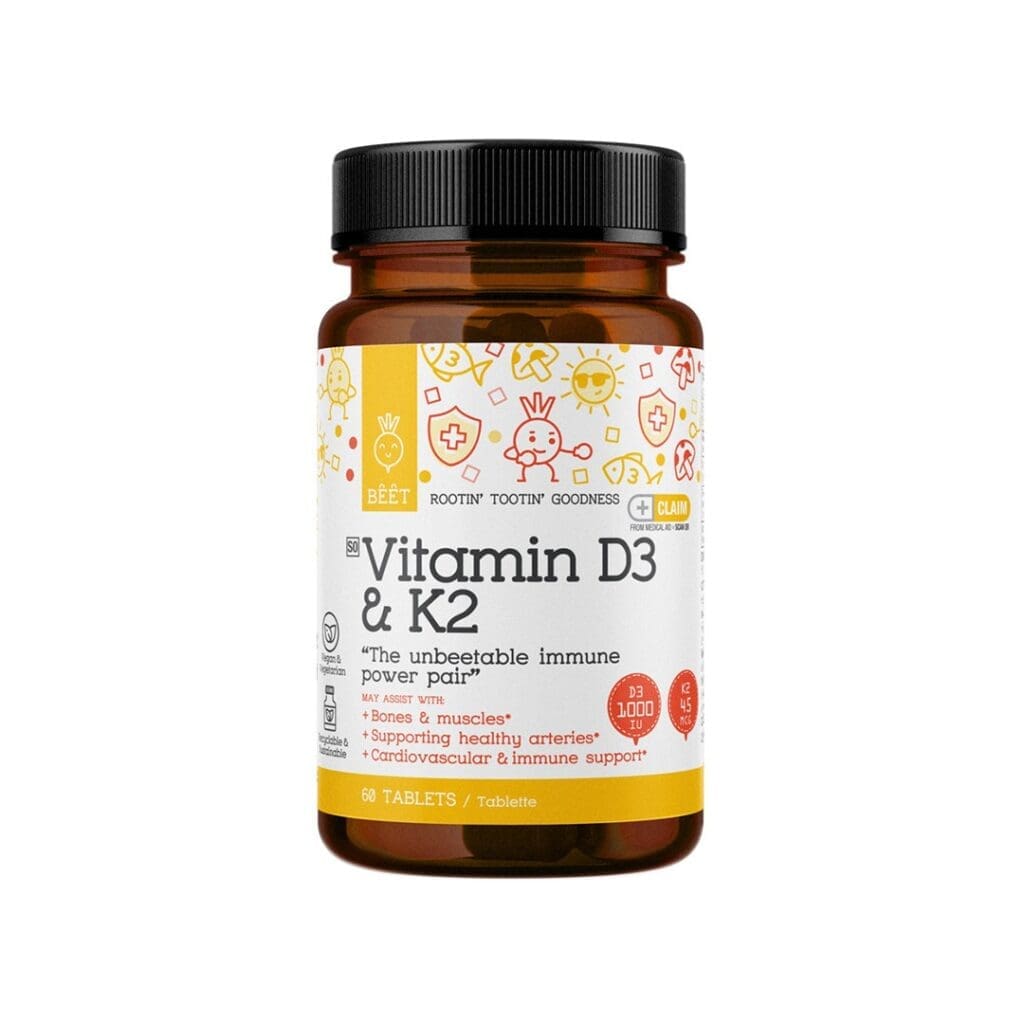
Helps prevent calcium buildup, promoting healthy arteries and improved cardio health.
Nutriburst Ultra-D1000
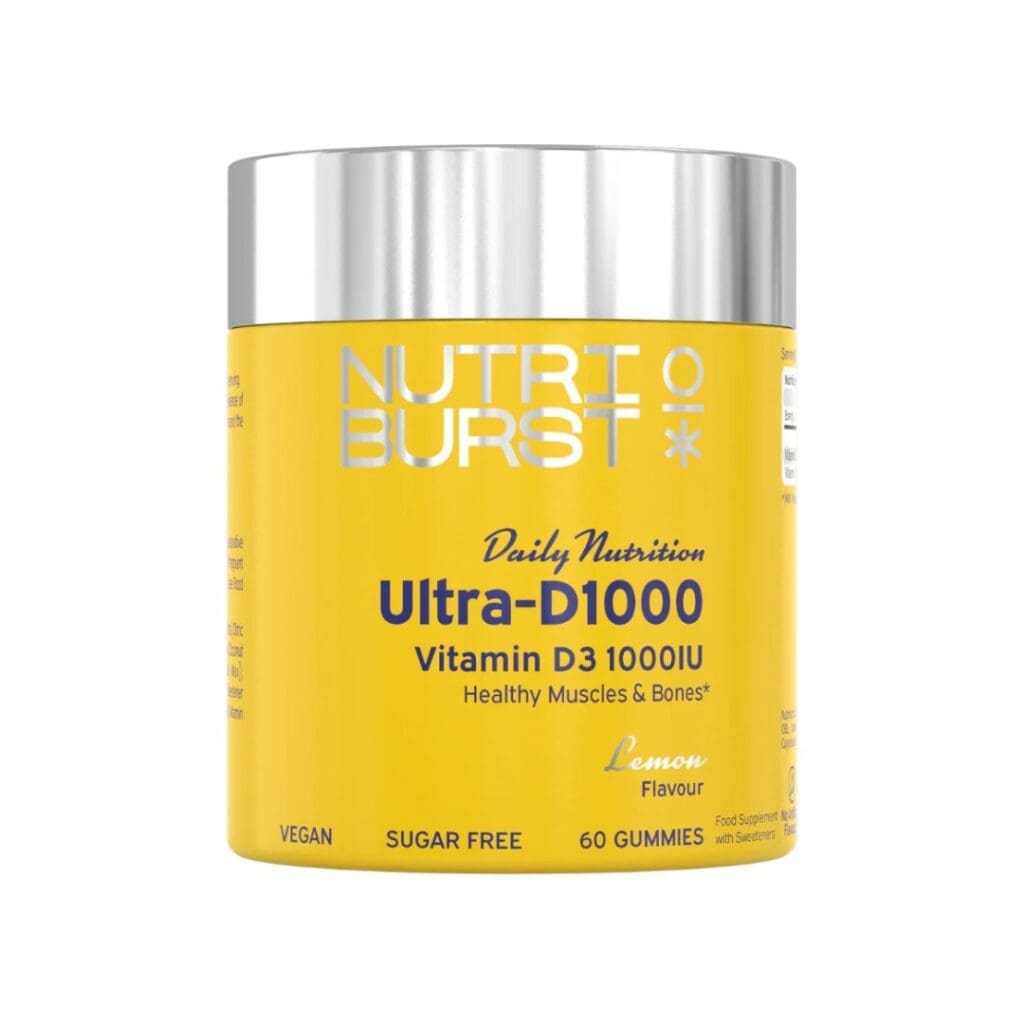
These lemon-flavoured gummies are formulated with high-quality, vegan-friendly ingredients.
Prime Self Vitamin D3/K2 Complex
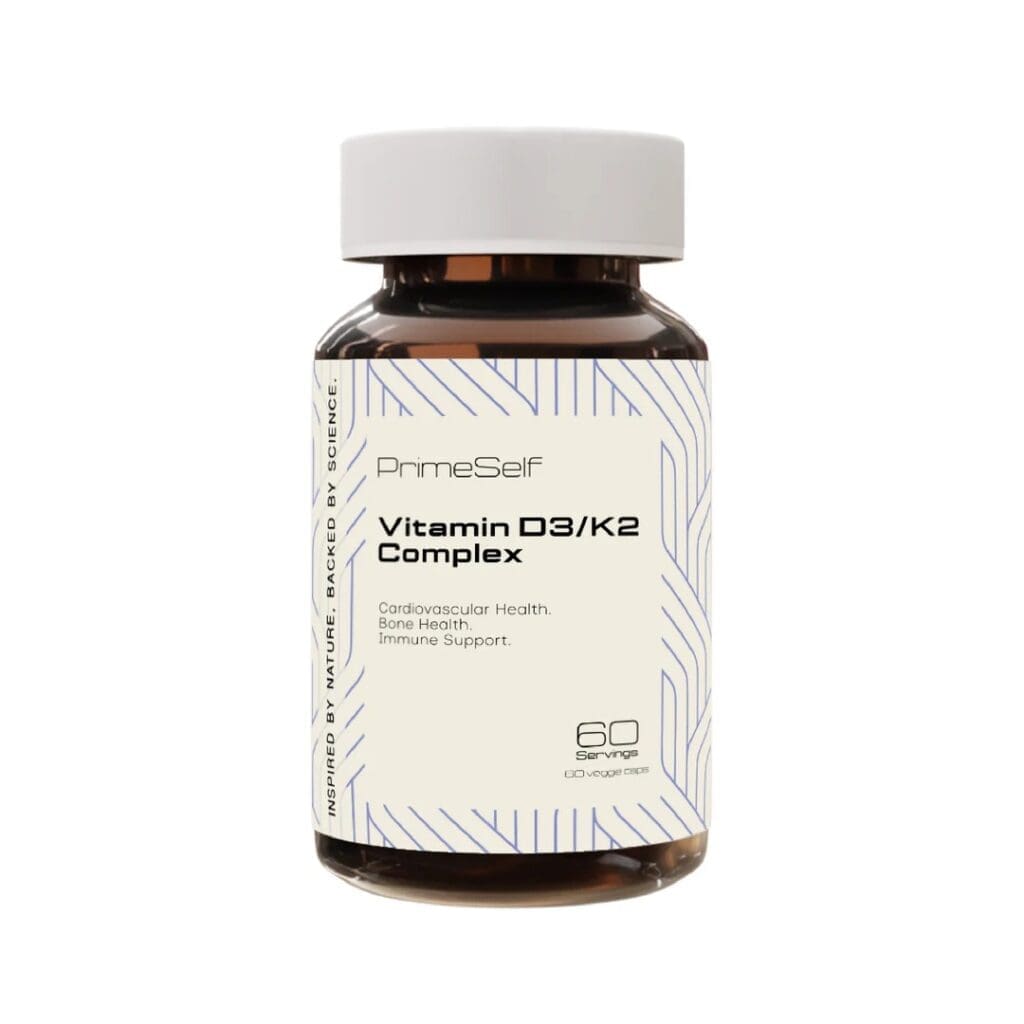
A synergistic combination of Vitamin D3 and K2 (MK-7) in their most bioavailable forms.
READ MORE: The Moment You Feel A Cold Coming On, Do These 8 Things Immediately To Speed Up Recovery