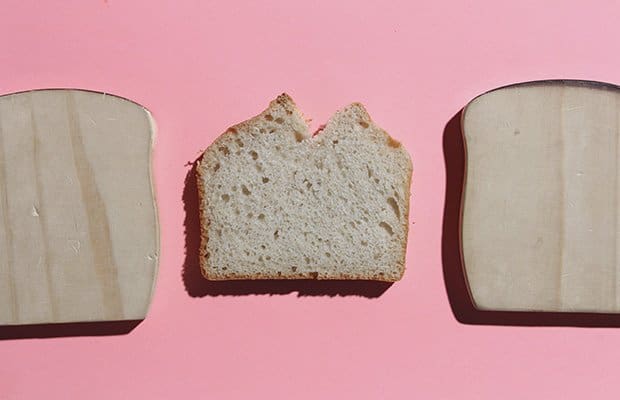
I’m just going to say it: Sometimes whole-wheat options just don’t taste as good as the real thing (I’m looking at you, whole-wheat spaghetti!).
If sad, cardboard-imitating pasta just doesn’t do it for ya, rest assured that whole grains go way, way beyond wheat.
“Basically, a whole grain is any grain that contains all three of its original parts — the bran, endosperm, and germ,” says Jill Merkel, a sports performance and wellness dietitian at Nutrition for Endurance. That means outside-of-the-box grains like teff, buckwheat, and rye totally qualify.
Of course, just make sure any whole-grain product (like bread, pasta, and crackers) list the actual words “whole grain” in the ingredient lists, since marketing lingo like “made with whole grain” or “multi-grain” doesn’t actually mean much.
It’s worth your time, because whole grains are insanely good for you. They protect your heart, reduce your cancer risk, can help you lose weight, ward off type 2 diabetes, and keep you full. “Whole grains provide carbs, protein, fibre, vitamins, minerals, antioxidants, and healthy fats,” says Merkel. (Choose the right grain and you can even score upwards of eight grams of protein per cup.)
These nutritionist-approved whole-grains foods will help you bust out of your pasta rut.
1 Amaranth
Amaranth is high in protein and fat, and also higher in calories than a lot of other whole grains. That said, it has “massive” amounts of manganese, magnesium, iron, selenium, and copper, says Keatley. (It may even help ward off inflammation.)
Try it as a pasta substitute or to make soups thicker and more hearty.
Per 1-cup serving (cooked): 250 calories, 4 g fat (0 g sat fat), 46 g carbs, 15 mg sodium, 5 g fibre, 9 g protein
Rich in polyphenols (micronutrients packed with antioxidants), rye can help with weight management, digestion, metabolic health, and heart health, says Beth Warren, RD, dietitian and author of Secrets of a Kosher Girl.
Try out rye bread on your sandwiches for a yummy whole-grain twist.
Per 28g serving (rye bread): 73 calories, 1 g fat (0 g sat fat), 14 g carbs, 1 g sugar, 171 mg sodium, 2 g fibre, 2 g protein
4 Bulgur
Like other whole forms of wheat, this grain does your heart and digestive health a solid.
Add bulgur to your diet by making your own tabbouleh, with parsley, tomatoes, mint, onions, and your favourite seasonings.
Per 1-cup serving (tabbouleh): 197 calories, 15 g fat (0 g sat fat), 15 g carbs, 2 g sugar, 797 mg sodium, 3 g fibre, 3 g protein
Prepare a batch at the beginning of the week and pair it with lean protein and a variety of sautéed veggies.
Per 1-cup serving (cooked): 248 calories, 2 g fat (0 g sat fat), 52 g carbs, 1 g sugar, 8 mg sodium, 3 g fibre, 6 g protein
6 Quinoa
Per 1-cup serving (cooked): 222 calories, 4 g fat (0 g sat fat), 39 g carbs, 0 g sugar, 13 mg sodium, 5 g fibre, 8 g protein
7 Buckwheat
Another cool perk: It’s gluten-free.
Use buckwheat as an oatmeal replacement, or buckwheat flour to make fruit- and chocolate-filled muffins, Keatley suggests.
Per 1-cup serving (cooked): 155 calories, 1 g fat (0 g sat fat), 33 g carbs, 1.5 g sugar, 7 mg sodium, 4.5 g fibre, 6 g protein
8 Millet
High in the essential nutrient copper, it also isn’t too shabby in the magnesium and fibre departments, Keatley says.
Try using millet as a swap-in for oatmeal or rice.
Per 1-cup serving (cooked): 207 calories, 2 g fat (0 g sat fat), 41 g carbs, 0.2 g sugar, 3 mg sodium, 2 g fibre, 6 g protein
READ MORE: What Happens If You Eat Too Much Fibre? A Doctor Weighs In
9 Wild Rice
According to Warren, wild rice “helps regulate digestion, stimulates growth and repair in the body, strengthens bones, boosts the immune system, and helps with weight maintenance.”
Serve it up as a side dish or mix it with veggies for a yummy stir fry.
Per 1-cup serving (cooked): 166 calories, 0.5 g fat (0 g sat fat), 35 g carbs, 1 g sugar, 5 mg sodium, 3 g fibre, 7 g protein
10 Oats
Try steel-cut oats in the morning to power you through until lunch (but be careful not to sabotage their benefits with an overabundance of sugar-laden toppings like dried fruit and maple syrup).
Per 1-cup serving (uncooked): 307 calories, 5 g fat (1 g sat fat), 55 g carbs, 1 g sugar, 5 mg sodium, 8 g fibre, 11 g protein
11 Barley
Merkel typically uses pearled barley, which doesn’t require soaking prior to cooking.
Per 1-cup serving (cooked): 193 calories, 1 g fat (0 g sat fat), 44 g carbs, 0 g sugar, 5 mg sodium, 6 g fibre, 4 g protein
12 Farro
Since it takes your body longer to break down and digest both farro’s protein and fibre, it’s also a good one for sustained energy.
Per 1 cup serving (cooked): 200 calories, 1 g fat (0 g sat fat), 44 g carbs, 0 g sugar, 20 mg sodium, 4 g fibre, 5 g protein