There’s no better feeling than wearing make-up that makes you feel like your most confident and beautiful self. Except maybe one thing: Loving your skin without wearing any make-up in the first place.
Let me be clear – there’s absolutely nothing wrong with rocking a full-beat. But if your make-up routine is working against you, even the most flawless glam can’t fix skin that’s irritated, congested, or unexpectedly breaking out. And at Women’s Health, we’re all about helping you achieve your most luminous and healthy complexion using skincare ingredients proven to work as well as expert-backed make-up techniques that will keep your skin looking and feeling its best.
Meet the experts: Molly R. Stern is a Hollywood make-up artist. Michaeline Becker is a celebrity make-up artist. Billie Gene, a beauty expert and celebrity make-up artist. Marisa Garshick, MD, is a board-certified dermatologist at MDCS Dermatologist in New York City. Lisa Akintilo, MD, is an assistant professor of dermatology at NYU Langone Health and the NYU Grossman School of Medicine.
Sleeping In Your Make-up
Unfortunately, there are several common make-up habits that can jeopardise your skin health. One that topped this list of the dermatologists and make-up artists we spoke with was sleeping in your make-up. After a long night out or a stressful day at work, going home and scrubbing your face and doing your full nighttime skincare routine can feel like the absolute last thing you want to do. But even one night of hitting the hay while wearing colour cosmetics can spell trouble for your skin.
“It’s easy to say, ‘just one night won’t hurt me,’” explains Marisa Garshick. But letting make-up sit on the skin overnight can contribute to clogged pores and irritation, she says. You can also inadvertently transfer product residue onto your pillowcase, she adds, and exposure to the make-up on your pillow night after night can lead to other skin problems such as contact dermatitis – or skin inflammation that causes an itchy, red rash. Yikes.
So without further ado, here are 4 more surprising yet common make-up habits that beauty experts want you to kick to the curb for the sake of your skin.
READ MORE: What Exactly Is Oxidative Stress In Skin – And What Really Helps?
Using SPF Make-up As Your Only Sun Protection
These days, it’s easy to walk into a beauty retailer or drugstore and find BB creams, CC creams, tinted moisturisers and even foundations containing ingredients that offer a level of protection from the sun’s ultraviolet rays. This is a big win considering that exposure to the sun’s radiation is a leading cause of premature skin ageing – as well as aggressive skin cancers like melanoma, according to the Mayo Clinic.
But it’s important to remember that make-up with a sun protection factor (or SPF) should never replace the use of regular sunscreen, explains Michaeline Becker. “SPF make-up is great. It’s not a bad thing,” she says. “But it’s a bonus.”
Why Make-up Coverage Isn’t Enough
The Cancer Association of South Africa (CANSA) recommends people use a daily sunscreen with a sun protection factor of at least 30, which indicates that a product offers 30 times more protection against sunburn than wearing no sunscreen at all. And while many make-up products offer SPF 30, the amount you’d have to apply to achieve that level of protection “would be crazy to wear,” Becker says. After all, “a lot of people will use enough to get sheer coverage, or a pea-sized amount,” she adds, which isn’t always sufficient to actually protect your skin from the sun.
Instead, make sure to incorporate a daily sunscreen into your morning skincare routine, experts say. And here’s a pro tip: Wait a few minutes for the sunscreen to seep into your skin, Becker says and then feel free to apply SPF make-up to enjoy the added protection without the risk of pilling. “I feel like a good five-minute waiting period between skincare and make-up is a good sweet spot. But everyone’s skin is a little bit different. There’s always going to be some trial and error in order to nail down exactly what works for you.”
With countless sunscreens and SPF make-up products on the market, choosing the right one can feel like a gargantuan task. Here are some options that Women’s Health editors love.
The Best Sunscreen & SPF Make-up, According To Experts
La Roche-Posay Anthelios UVAIR Serum Sunscreen SPF 50+
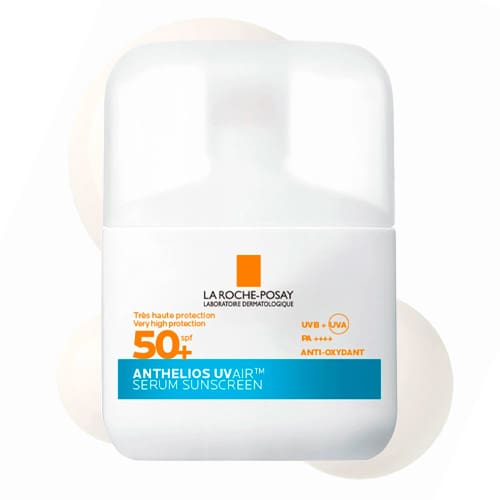
This sunscreen will easily blend into your complexion without clogging pores and clogging acne. Plus, it’s formulated to be oil-free, so it won’t feel greasy.
CeraVe Facial Moisturising Lotion with SPF 50
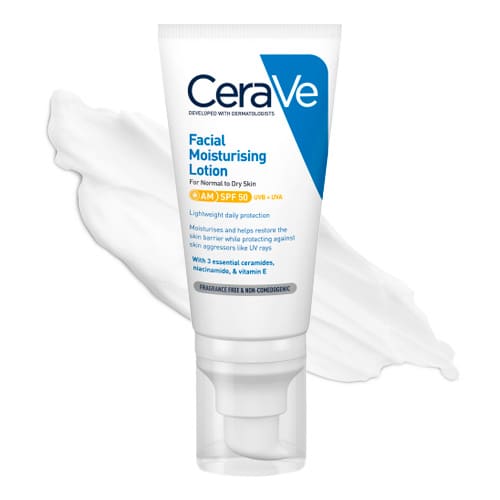
This affordable option will moisturise the skin throughout the day while protecting the skin barrier from the sun’s UV rays. Plus, it contains nourishing ingredients like niacinamide and hyaluronic acid.
IT Cosmetics CC Cream
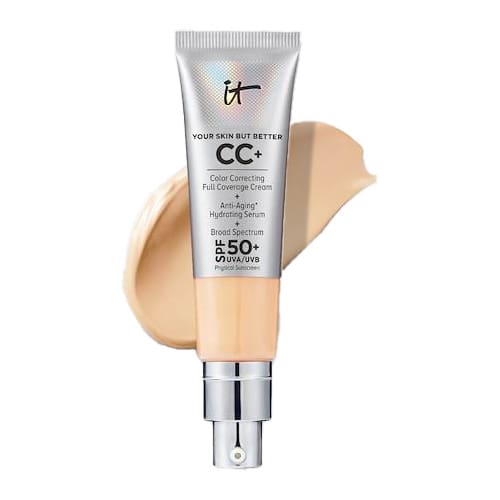
This iconic colour corrector comes in a very wide range of shades, but also includes hyaluronic acid, niacinamide, vitamin E and SPF 50. Hydrated, even-toned and nourished skin here we come!
Relying On Make-up Wipes
If there’s one thing experts want you to know, it’s that make-up wipes shouldn’t be the only tool you use to remove your make-up, says Billie Gene. I know, I know. It’s quick, easy and appears to remove everything. So what’s the harm, right? Well, here’s an analogy to help you visualise the issue: Imagine an orange and those pore-like indents that dot the skin of the fruit, Becker says. If you were to rub away some foundation off the skin using a make-up wipe, the foundation on the surface may look like it’s gone, but “in all the indentations, the foundation is all still in there,” she adds.
The point is, you should think of your own skin as like the skin of an orange, Becker says. You’re going to need a second step that removes the excess residue. To get the job done, try following up with an oil cleanser, says Molly R. Stern. “Oil-based cleansers are going to be the deepest clean because they really break down the particles of make-up that you might not have gotten in your first wipe down,” she says.
But keep in mind that oil cleansers can increase the risk of breakouts if they’re not rinsed properly or are used on sensitive or acne-prone skin, explains Lisa Akintilo.
How To Use Wipes in a Pinch
But there’s no denying that make-up wipes are useful in a pinch. So if you do find yourself using them, be sure to use different corners of the wipe for different parts of the face, explains Marisa Garshick. “Try not to use the same fold on every part of the skin,” she says, to avoid merely smearing and transferring dirty make-up all around your face. And just be sure to completely rinse it off after use or follow up with a water-based face wash for good measure, she says.
Removing your make-up properly is perhaps the quickest and easiest thing you can do to keep your skin healthy.
Forgetting To Patch Test Make-up Products
Skincare and make-up used to live in completely separate worlds. But that line is becoming increasingly blurred as make-up formulas now feature familiar skincare actives like vitamin C, niacinamide and hyaluronic acid. “It’s really important to make sure that [the active ingredient] is compatible with your skin before you slather it all over,” Becker explains.
It’s always a good idea to conduct a patch test on a discreet area of skin before incorporating a new skincare product into your routine – that much is pretty obvious. But it’s easy to forget to apply that same level of caution to your make-up. And if you don’t, you could end up dealing with unnecessary redness, irritation, or even breakouts.
Among Becker’s clients, make-up products containing niacinamide and vitamin C have been most likely to trigger sensitivity. Dr Akintilo has noticed similar reactions to those ingredients among her patients. That’s why it’s important to scan the ingredient label before buying new make-up. If you spot those active ingredients (or others that aren’t already part of your skincare routine), it’s worth doing a patch test behind your ear, on the back of your neck, or on the inside of your forearm first to see how your skin responds before fully committing.
READ MORE: The Best Foundations For Every Skin Type
Trying Tester Products At Beauty Stores
When shopping at a beauty retailer like ARC Store, Clicks or Dis-Chem, it’s only natural to want to try out products before committing. But it’s important to be strategic about sampling in public beauty stores to avoid exposing yourself to bacteria and germs that can lead to infections, breakouts and skin irritation, Becker explains.
One of the most sensitive parts of the face is around the eyes. So when testing eye make-up such as mascaras and liners, for instance, avoid applying the product directly to your eyes. Instead, grab (or ask for) a disposable spoolie to dip into the tube, then swipe it onto the back of your hand or wrist to see how the formula looks and feels, Becker says. It’s not quite the same as applying it to your own lashes or lids, of course, but it’ll still give you a sense of the product’s performance without potentially exposing yourself to bacteria from other customers who’ve given it a try.
Pro tip: When shopping for eye make-up, look for brands that are ophthalmologist-tested so you can feel confident that the product will perform well without causing irritation.
Similar hygiene advice applies to lip and liquid complexion formulas, Becker says. These types of make-up typically contain water, which means they can be especially prone to harbouring bacteria if they’ve been repeatedly opened and used, she says.
READ MORE: Best Moisturising Lipsticks For That Plumped Look
Runner-Ups
Even if you avoid these make-up habits like the plague, there are a couple other sneakily common missteps that can harm your skin. These slip-ups may seem minor, but over time they can contribute to breakouts and irritation.
Using expired make-up
It can feel like flushing money down the toilet when getting rid of make-up products before you’ve finished the whole thing. But using old, expired products can cause acne, inflammation, irritation and even infections. Many make-up products contain preservatives that help keep the growth of bacteria in check, Becker explains. When the expiration date passes, the preservatives are no longer guaranteed to do their job, which means you’re putting your skin at risk if you continue to use it.
Most products will have a Period After Opening, or PAO symbol on the product, Becker says. It looks like a small jar icon with a number on it and it indicates how many months a product remains safe to use after it’s been opened, she adds. A jar with “12M” on it, for instance, means the shelf life of the product is 12 months. If you can’t remember when you first opened a product, trust your gut: If it smells off, has curdled, or no longer looks flattering on your skin, it’s probably time to toss it.
READ MORE: When Is The Right Time To Throw Out Your Make-Up?
Forgetting to wash your applicators
Washing make-up tools can feel like just one extra thing to add to the to-do list. But make-up brushes, beauty blenders and eyeshadow applicators can all harbour bacteria if they aren’t cleaned regularly, Dr Garshick says. Those who wear make-up nearly every day, should aim to clean your tools once a week, Gene says. But if you wear make-up less frequently, you might be able to get away with bi-weekly washes. Good ol’ hand soap and water will do the trick, but make-up artists tend to rely on professional-grade cleanser solutions like the MAC Brush Cleaner. Baby shampoo is also an affordable, gentle and effective alternative, Stern says.
READ MORE: Exactly How You Should Be Cleaning Your Make-Up Brushes, According To A Make-Up Artist
Keeping your skin healthy doesn’t have to mean giving up make-up altogether. It just means being mindful about the little habits that can do damage behind the scenes. With these tips and tricks in mind, you can enjoy your glow-up without any unwelcome surprises.
This article by Katie Mogg was originally published on Women’s Health US.