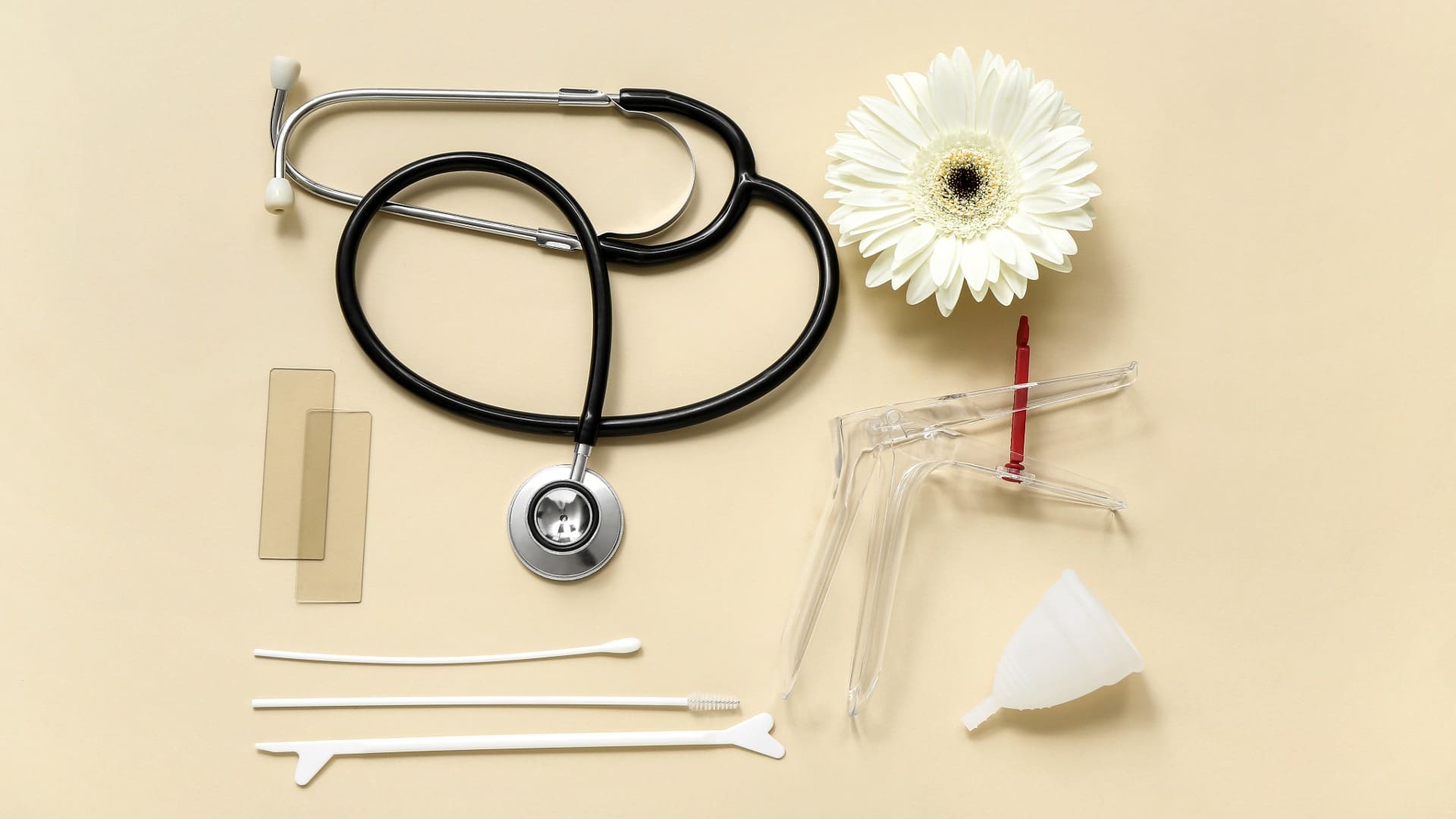
There are many awkward situations in life, from forgetting someone’s name even though you’ve met them three times, to laughing at a really inappropriate time. But a trip to the gynae is definitely near the top of the list. No matter how many times you go, you can’t help but clam up. And getting a Pap smear can feel just as awkward – not to mention uncomfortable. But it’s a necessary discomfort. With as many as 10 500-11 000 new cases of cervical cancer recorded annually, it’s now the leading cause of female cancer-related deaths in SA. We can’t stress this enough: getting tested is a must. But what if you’ve never been for a Pap smear because you don’t really know much about it? Here are 10 Pap smear tips to help you prep for your next (or first) appointment.
1. Avoid Sex The Night Before
Ideally, you should not have sex before going for a Pap smear, because it can obscure the cells, making the test less accurate. You don’t necessarily need to cancel the test – just consult with your doctor first. Add these to the list, too: tampons, douches (avoid douching at all times, anyway) and creams.
2. Reschedule Your Pap Smear If You’re On Your Period
The best time to have a Pap smear is 14 days after the first day of your period. Having a Pap smear while on your period isn’t a good idea, because it can also make the result less accurate. If you’re experiencing light spotting, it won’t affect the result as much, and your doctor will continue with the smear.
3. Be Honest When Asked Questions
Doctors are there to help you – but having accurate information is crucial to receive adequate care. You need to tell your doctor everything about your sexual habits and cycle – now is not the time to be shy. Especially mention sexual partners and status, contraception, condom use and any discharge you’ve noticed. You might need different or more frequent tests based on your answers, but try not to be scared – it’s all for your health.
READ MORE: 4 Most Common Questions Women Ask About Their Sexual Health
4. And Speak Up, Too
Ask your doc about any questions you may have, about the smear itself or anything else. Make your appointment count. Let your doctor know about any factors that could impact how comfortable you feel, like specific health conditions (endometriosis, vaginismus), recent childbirth, anxiety, previous sexual trauma. During your Pap smear, a doctor can:
- Use a smaller speculum or lubrication to make things easier (yes, really!)
- Try a different position, for comfort
- Help you relax with breathing exercises
5. Try Deep Breathing
A Pap smear is more uncomfortable than painful, but for some people – and because of various factors – it could be difficult, emotionally and physically. One tip: the more you tense up, the more uncomfy it will be. Try to relax while taking deep breaths, and tell your doctor how you feel. They can offer adjustments to make things comfortable for you. And: bear down slightly when the speculum is inserted to help relax the pelvic muscles.
6. You Might Feel Uncomfortable After (Or During) A Pap Smear
A Pap smear shouldn’t create pain – but it may feel uncomfortable, owing to factors like vaginal dryness, anxiety, previous trauma, or specific health conditions such as vaginismus or endometriosis, which can cause muscle tension. Discomfort during a speculum insertion can stem from physical factors, such as a smaller vaginal canal or a history of childbirth. Psychological factors, like nervousness, can also contribute by causing pelvic muscles to tighten, making the insertion more noticeable. You don’t necessarily need to take painkillers before a Pap smear, but if there is pain, speak to your doctor about it immediately.
READ MORE: Did You Know That You CAN Get A Pap Smear Done At A GP?
7. Know When It’s Time To Get Tested
Women should start going for Pap smears from the age of 21, or when they become sexually active. Follow-up testing will depend on your result. If you are low risk, for example, have a normal Pap smear and one sexual partner, you’ll generally only need to do a test every three to five years and can stop after the age of 65. Note: HIV-positive women should start with testing at diagnosis and will require more frequent tests.
If you’re not sexually active (and never have been), you still need a Pap smear. This is because HPV (Human Papillomavirus), the primary cause of cervical cancer, can be contracted through various forms of genital skin-to-skin contact, not just penetrative sex. Past exposure to HPV from any sexual activity can lead to precancerous cell changes, making regular cervical screening essential for anyone with a cervix to detect and prevent cervical cancer early.
8. A GP Can Perform The Pap Smear
Yes, a GP can perform a Pap smear, and you can also get one from your public health clinic, Dis-Chem or Clicks clinics or Marie Stopes. In some cases, you can get a package of tests that’ll check off other health screenings, and for a discount, too.
READ MORE: Painful Periods? PCOS? Meet The Hormone-Balancing Supps
9. No, You Don’t Need To Shave
Rejoice – there is zero need to shave before your Pap smear. That’s because it’s not a Miss World pageant – and your doctor won’t care. More to the point, the presence of hair does not affect the outcome of your test.
10. Don’t Freak Out About Abnormal Results
Your Pap smear might flag abnormal cells that aren’t cancerous. ASCUS means atypical cells of undetermined significance. This can be caused by infection, inflammation or HPV. The cells should return to normal again. So, what do you do? It’s important to repeat the Pap smear in six to 12 months. If the ASCUS persists, it’s best to go for a colposcopy by a gynae because it can develop into a pre-cancerous lesion. That’s exactly why Pap smears are so important – so pat yourself on the back for being proactive.
READ MORE: Why It’s Important To Talk About Your Periods + How To Do It