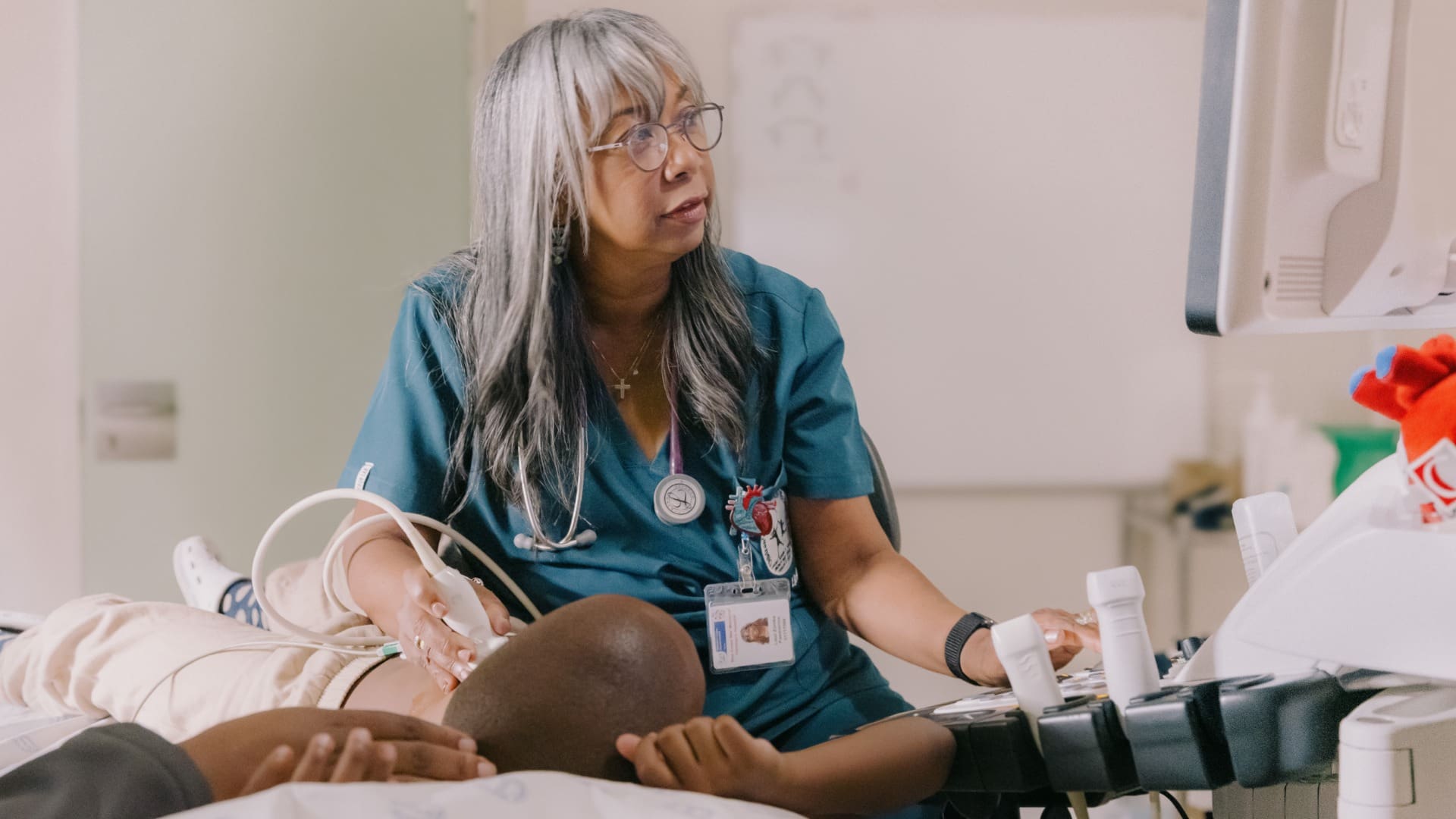
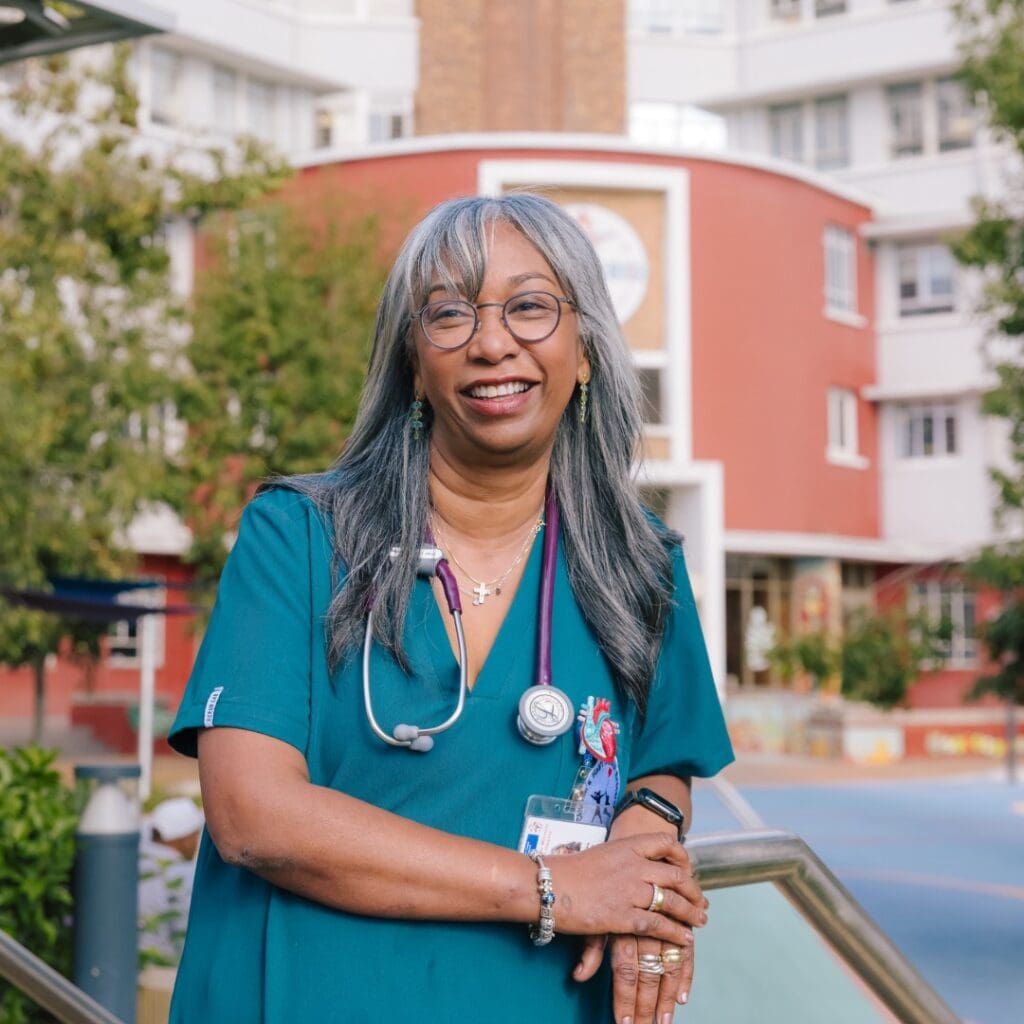
South Africa’s own Prof Liesl Zühlke has been named as the 2026 Laureate for Africa and the Arab States at the L’Oréal-UNESCO For Women in Science International Awards. The paediatric cardiologist, University of Cape Town professor, and Vice President of the South African Medical Research Council (SAMRC) is being honoured for her work in improving care for children with heart conditions, especially rheumatic heart disease (RHD), which disproportionately affects children living in poverty.
“It’s such an honour,” says Prof Zühlke, “[to win] an award that truly awards not only science, but the role that women play in science and all of the things that go along with being a woman scientist.” The 2026 Awards, its 28th iteration, come at a time when women are heavily underrepresented in senior research, executive leadership and clinical trial data, even as they make up almost 70% of the global workforce for healthcare, according to the World Health Organisation (WHO).
Championing Women In Science And Research
“Women can and do make outstanding scientists,” says Prof Zühlke. As part of her mission to uplift future female scientists and health workers, Prof Zühlke participates in various projects to empower future female scientists, including Women as One, STEM Her and GenS. She uses her position at the South African Medical Research Council to advance, empower and strengthen African-led research of the highest standard.
Prof Zühlke had always wanted to be a doctor and began her studies during the height of Apartheid, at a time when professional vocations for women of colour were severely restricted. “I would have never dreamed that this is how my career has played out,” she reflects. “The idea of any kind of global impact, winning international awards like this one, was never part of the equation. That was never what it was about. I felt very deeply committed.
READ MORE: Five Years After Breast Cancer, Amber Wright Is Stronger Than Ever
“But the concept that you will potentially leave some kind of legacy that’s just beyond a particular patient or group, wonderful as that is as well, is something that I really never expected to happen. And I’m very grateful for a career that’s developed in that way. But more importantly, the work and the fact that the work has been able to have that kind of impact and get recognised in this way.”
Prof Zühlke’s impact
Her work focuses on treating children with heart conditions, especially rheumatic heart disease (RHD). A neglected illness with one of the highest cardiovascular mortality rates among children worldwide. It is particularly prevalent in low and middle-income countries, disproportionately affecting children, adolescents and young adults living in poverty. And, 23 percent of the 50 million people affected live in Sub-Saharan Africa.
It’s a phenomenon Prof Zühlke observed in her work and witnessed intimately. Her passion for improving patient outcomes and recognising the influencing factors led her into research. “I didn’t start with wanting to do everything. I started with a small area. And then over the years, it’s just grown,” she explains.
READ MORE: How Megan Pietersen Turned Her Passion For Wellness Into The Noa & Co Brand
Prof Zühlke began by asking questions that related to what she witnessed. “What are the elements that put a particular population more at risk than another? What is the issue around cardio obstetrics and the time when women are pregnant with rheumatic heart disease? How can we change the policies? How can we change the guidelines?” she explains, outlining her thinking that shaped her academic work.
Changing Systems Through Collaboration
Even without the funding given to other spheres in the sector, Prof Zühlke relied on her community to achieve outstanding results. Her work has played a central role in making RHD a political priority on the continent, highlighting its connection to alleviating poverty, improving health systems and achieving gender equality. Through her research, she pinpointed RHD as a socio-political issue tied to health system deficiencies and inequities.
Her academic study has made pioneering contributions to preventing and treating childhood-onset cardiac disease, while improving the detection, management and long-term treatment of cardiovascular disease in women.
READ MORE: Why A Wardrobe Refresh May Actually Be Good For Your Health – According To Psychologists
For Prof Zühlke, the interconnectedness of culture, community and healthcare is at the heart of solving complex problems with patient health. By leveraging connection and community, Prof Zühlke has been able to enact change. “I still do clinical work because it’s so important to be grounded in the clinical space,” she says. “If they’re [doctors] able to change something further upstream, they can see how it could change at the level of the patient and the provider. So I think it’s important to tell people that everything that they do is part of this bigger ecosystem. They should see that as an opportunity.”
Further, Prof Zühlke cites communication, literacy (such as health education) and two-way advocacy as key ways to ensure patients receive the care they need. “I always say I walk a very long journey with every one of our patients, because sometimes I’m there when they have their babies, and I was there when they were born. And that’s a very important relationship.”