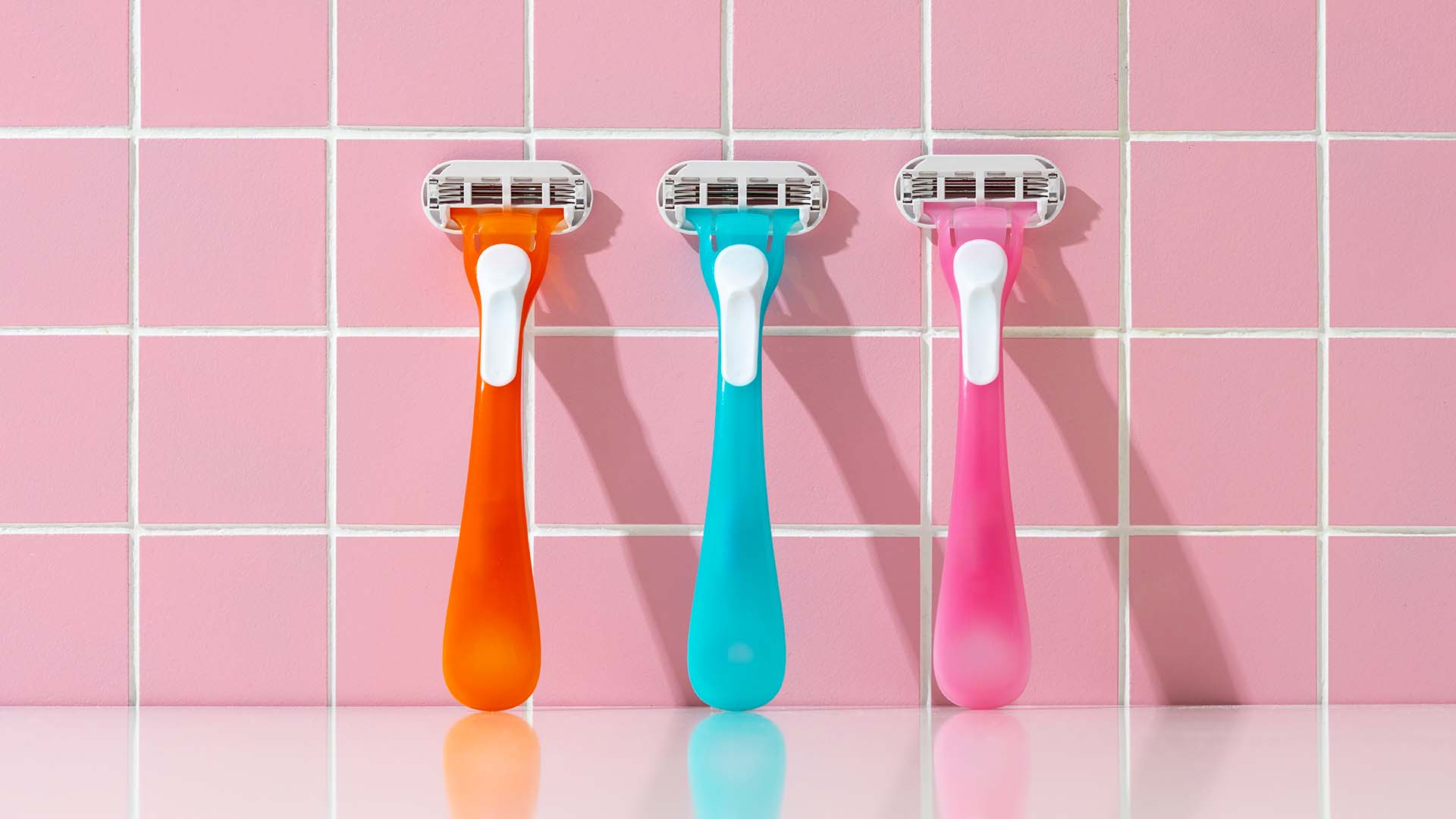
Whether you’re a newbie or you’ve been shaving your bikini line for a long time, you know it can be a challenge to get through the process without skin irritation, razor burn, or itchy bumps. It’s the collateral damage from wanting hairless lady parts.
Indeed, removing the hair around your bikini bottom and pubic region can be time-consuming, painful, and even dangerous for your skin if it’s not done properly. “This area features very delicate, sensitive skin,” adds Debra Jaliman. “You really have to shave everything meticulously.”
Still want to give it a go (totally optional, since the full bush trend is heating up social media right now)? Here are the strategies experts recommend to keep your bikini line looking smooth and your skin feeling comfortable.
After all, the last thing you want is to deal with pain or itchiness during a vacation or beach day.
Is It Bad To Shave Your Bikini Line?
First of all, removing hair anywhere on your body is completely your decision – so don’t feel pressured into shaving, waxing, or using any other hair removal method if you don’t want to. But if you do choose to shave your bikini line, there are some risks to keep in mind. The pubic region grows hair that is “thicker, coarser and more curly,” compared to most hair on the rest of the body, explains Lindsey Zubritsky. That means if the hairs in that area aren’t removed properly, they’re more likely to grow back into the skin and cause razor bumps, also known as ingrown hairs. And once you develop an ingrown hair, the skin often gets red and itchy as a result.
You might also experience razor burn when landscaping your bikini line, which is a type of skin irritation that happens when a razor is used on the same area of skin over and over again while shaving, Dr Jaliman says. Razor burn can result in inflamed skin and small, red bumps, as well as itchiness and even a burning sensation. But if you take steps to care for the skin before and after you shave, you can prevent these problems altogether.
Read on for more expert-approved shaving tips before you jump in the shower.
READ MORE: What Is An “Everything Shower”? A Full Guide To The Viral TikTok Trend, Per Experts
Invest In A Good Razor
Picking the right razor is crucial to ensuring your bikini line is smooth and bump-free. There are countless options out on the market, but you might want to start by picking one that has three or four blades rather than just one or two. “If there are more blades, it dispenses more pressure, allowing each blade to cut with less force but more effect,” says Dendy Engelman. In other words, you’ll get a better, closer shave without having to swipe over the same area multiple times and risk cutting yourself or getting irritated.
Another crucial point: “Choosing a firm, sturdy razor with soothing strips will make a huge difference,” adds Eileen Bischoff. But you can also consider a razor that you’re comfortable with and know how to control, Dr Jaliman adds. She personally likes to use the same type of razor she would use to get rid of peach fuzz on the face.
But if you’re in a pinch and don’t have time to diligently shop for your next razor, you can try the one-use throwaway kind, too. Keep in mind that they can get the job done, but they’re labelled “disposable” for a reason, Bischoff says. So make sure not to use them more than a few times at the very most to avoid injuring your skin with a dull, dirty blade. “They’re not meant to be used for a month,” Bischoff adds.
Razors To Shave Your Bikini Line

Schick Hydro Silk TrimStyler
This trimmer-razor combo may help prevent pubic irritation. It also has four customisable length settings for a comfortable trim.
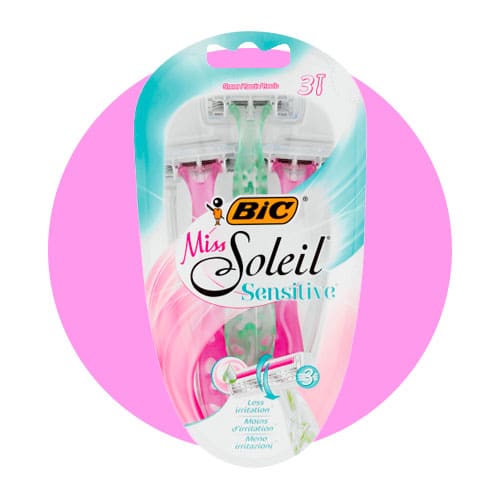
BIC Miss Soleil Sensitive Shaver
This disposable option comes with three precision blades for a closer, smoother shave. It also includes a moisture strip to offer lubrication and help prevent irritation.
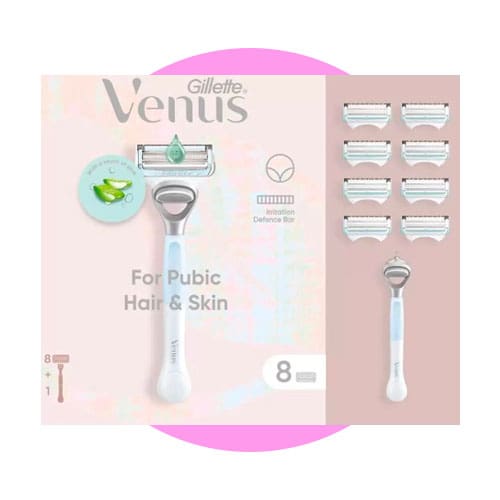
Gillette Venus Razor For Pubic Hair & Skin
Designed to target trickier areas like the bikini line, this razor has a small head and a precision trimmer on the back of the blades.
Prepare Your Skin For Shaving
If you know you’ll be shaving your bikini line in advance, stop using body lotions that contain retinol a few days ahead of time, Dr. Jaliman says. This category of ingredient can make the skin more irritable and sensitive, and make your skin less likely to tolerate hair removal without running into discomfort.
And even though ingrown hairs are a very real risk when it comes to shaving your nether regions, it’s not inevitable. One thing that helps is exfoliation, Dr Jaliman says, who recommends using a soft body scrub or a wet washcloth to gently buff the area before shaving. If you omit exfoliating, you risk your razor driving dead skin and gunk into your pores, says Gina Charles. “Then it’s harder to shave because you’re going to be peeling off dead skin with your razor instead of the hair,” Dr Jaliman adds.
But that’s not all. It’s also important to use warm water to hydrate and soften the skin and hairs before using your razor, Dr Jaliman says. Spend about 10 minutes in warm water before you go to town on your bikini line. This will help soften the outer layer of your skin, make it easier to remove hair and lessen your chances of getting razor burn, ingrown hairs and other forms of irritation, says Fumi Ozaki. “After the 10 minutes are up, pat the skin to remove any excess water,” she says. But make sure your skin is still damp when you begin removing hair – dry shaving raises the risk of irritation.
Pre-Shave Body Scrubs For Exfoliation
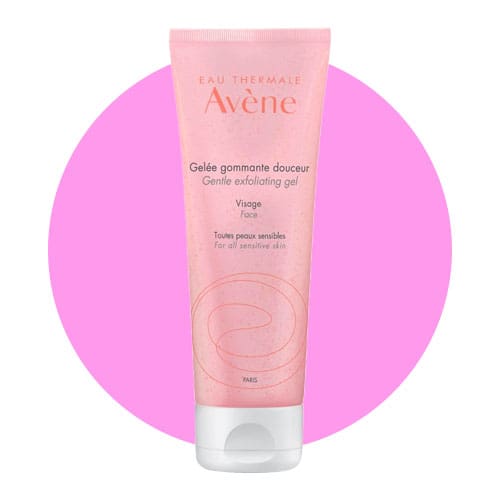
Avene Gentle Exfoliating Gel
This exfoliating body scrub is abrasive. It also contains soothing ingredients such as jojoba oil.
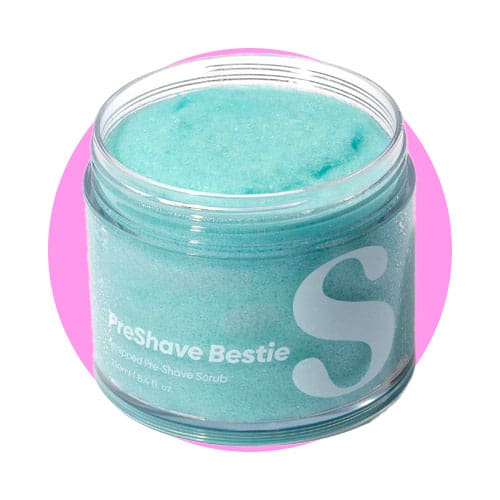
Sundae Skin Co PreShave Bestie
This whipped pre-shave sugar scrub preps skin for a non-irritating, flawless shave experience. Formulated with a nourishing base of natural oils which protect your skin’s barrier, it preps those delicate areas for the silkiest outcome.
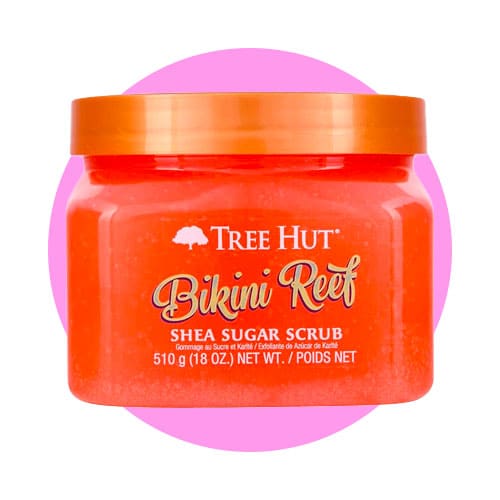
Tree Hut Bikini Reef Shea Scrub
This pre-shave exfoliating scrub preps the skin for a close, smooth shave without making it feel dry. It contains nourishing ingredients such as shea butter and algae.
READ MORE: In-Flight Skincare Secrets A Dermatologist Refuses To Gatekeep
Don’t Skip Shaving Cream
Always try to shave with a shaving gel, lotion or run-of-the-mill cream. You might think this is just a feel- and smell-good component to the process, but it’s way more than that. “When you shave, you’re shaving your skin, too,” says Bischoff. “If you don’t use enough shaving cream to create enough slip, you’ll lightly abrade your skin, leaving it irritated.” Ouch.
Look out for tried-and-true moisturising ingredients on product labels, such as shea butter, olive oil and coconut oil, Dr Engelman says. “These types of bases will give a proper buffer for your razor,” she adds. You’ll want to avoid shaving creams with fragrances as well, Dr Jaliman says. Fragrances are often made using alcohol, she adds, which is often irritating to the skin. And try not to use soap as a replacement for shaving cream. Soap is often drying, which is particularly unhelpful when shaving an area of the body that’s already sensitive and more prone to irritation, Dr Jaliman adds.
Once you’ve picked out a good shaving cream or gel, apply a thin layer to the area you’re targeting. It should be thin enough that you can see the skin and hair shaft underneath so that you’re provided enough lubrication while still reducing the need to make multiple passes on the same area of skin to fully remove the hair, says Ozaki.
Shaving Creams And Gels For The Bikini Line
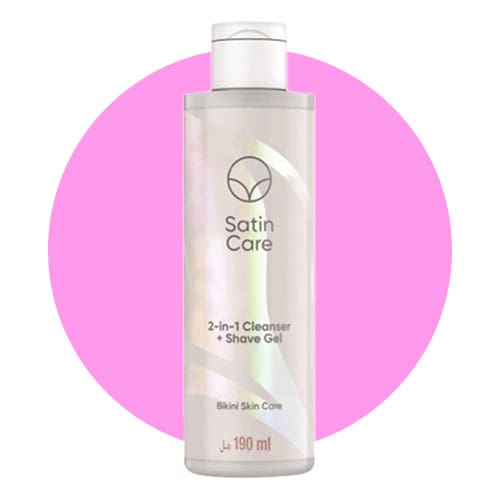
Gillette Venus Satin Care 2-In-1 Cleanser + Shave Gel
This translucent, fragrance-free formula lets you see what you’re doing while shaving delicate areas. This will help you identify your direction of hair growth and prevent irritation.
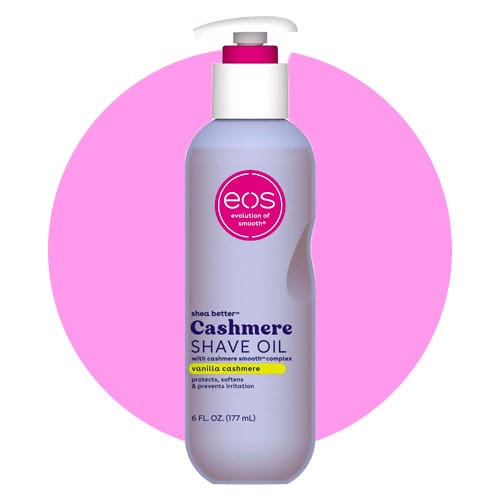
eos Cashmere Skin Collection Shave Oil
This luxe shave oil cushions your skin with a silky, conditioning finish. It’s enriched with natural oils to deeply soften hair and create a smooth, protective glide that helps reduce tugging, irritation and post-shave redness.
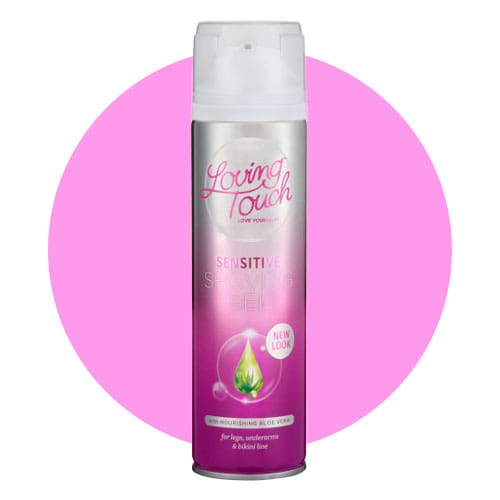
Loving Touch Shave Gel Sensitive
This gentle gel works for all skin types – especially easily irritated skin. It lathers into a soft buffer to help your razor glide effortlessly while keeping the bikini line calm, hydrated and smooth.
Pay Attention To Your Shaving Direction
While it’s true that shaving against the direction of hair growth often yields a closer shave, Dr Jaliman recommends shaving in the direction of growth to minimise friction and reduce the chance of developing irritation, ingrown hairs or cuts. You’ll also want to trim the hair down there before attempting to shave with a razor, Dr Jaliman adds. “You can use scissors, you can even use an electric trimmer to shorten the longer hairs,” she says. But if the hair is long and “all curled up, you won’t be able to see which direction it’s growing.”
Once you’ve trimmed the hair and determined your direction of growth, glide your razor gently along the bikini line without adding too much pressure. “One pass should be fine, especially if you’re using a razor that has many blades,” Ozaki says.
Clean Your Razor When You’re Done
Blades can easily harbour bacteria, which can lead to infection when used on the skin. Ensure your razor is clean by thoroughly washing it after every use. Focus on rinsing away shaving cream or hairs trapped in the blade, Dr Jaliman says and soak the blade in hot water or even rubbing alcohol for good measure. And if your razor looks rusty after you’ve been using it for a while, toss it. A good rule of thumb is to replace your razor after five to seven shaves, Dr Engelman says.
Calm Your Skin After Shaving
Wash off the remaining shaving cream and loose hairs from your skin once you put your razor down and hold a cold compress to the area for 10 minutes to prevent irritation and calm inflammation, says Ozaki. “You could even use a little ice” wrapped in paper towel, Dr Jaliman adds.
You can also apply a fragrance-free, anti-redness serum to further reduce your chances of experiencing razor burn and try topping it all off with a moisturising body lotion or cream to help prevent shaving-induced dryness. Aim to regularly moisturise the bikini line for the first couple of days following your shave, Dr Jaliman says. Similar to your shaving cream, you’re going to want to look out for specific ingredients in your moisturiser to ensure it both soothes and hydrates the skin. Bischoff suggests using moisturisers containing aloe vera, as well as jojoba oil and vitamin E.
Once your skin is soothed, make sure it stays that way by wearing looser clothes that won’t rub up against the bikini line, Dr Jaliman says. Form-fitting clothes can exacerbate irritation from shaving by adding a lot of friction against the skin, she explains. “I wouldn’t shave and then go to the gym and put on really tight leggings,” she says.
Aftershave Moisturisers
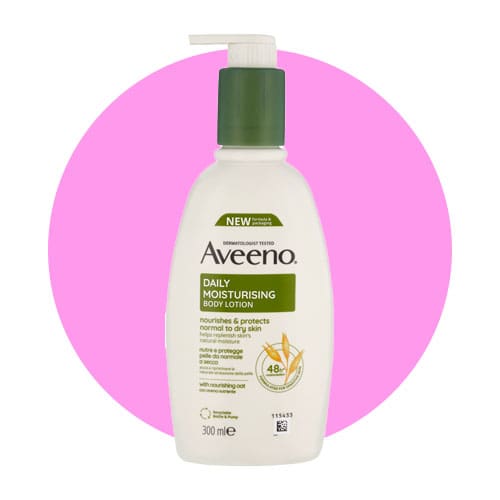
Aveeno Daily Moisturising Body Lotion
This lotion is non-greasy, non-comedogenic, and gentle enough for daily use. Consider lathering some on after shaving to avoid dryness.
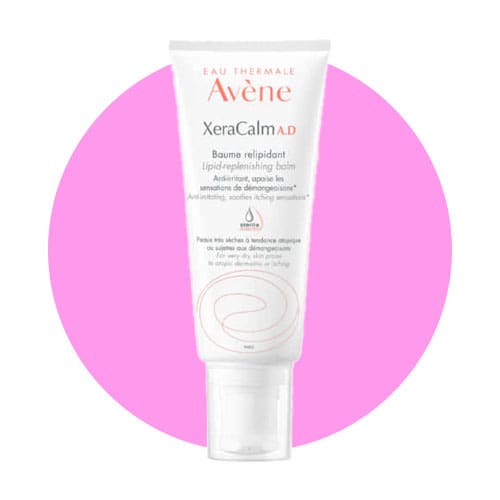
Avene XeraCalm A.D Lipid-Replenishing Balm
This lotion helps repair the skin barrier and calms itching & visible redness, all issues that can be exacerbated by shaving the bikini line. Apply some after removing hair to seal in moisture.
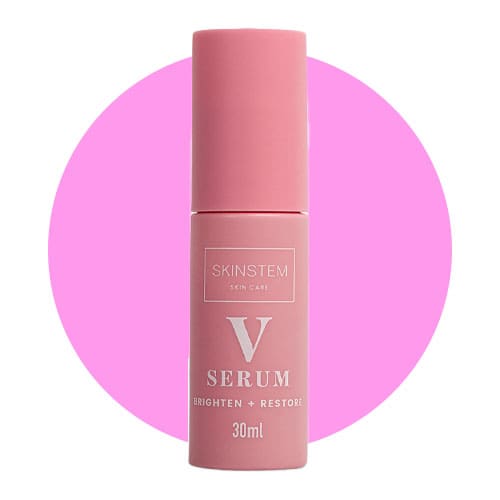
Skinstem V-Serum
This lightweight serum is specially formulated for the bikini line and other delicate areas. It soothes and hydrates skin after shaving or waxing, helps prevent ingrown hairs, and supports skin firmness.
Soothe Any Ingrown Hairs And Irritation
So, you took your best shot at shaving your bikini line and those itchy, red bumps appeared anyway. Don’t worry, there are still many ways you can minimise the discomfort. For one, Dr Charles recommends looking to that oh-so-soothing aloe vera gel or moisturiser again. Try applying it to the bikini line and leaving it there for 30 minutes, she says. This can help reduce any redness, inflammation, and itchiness caused by shaving.
If that doesn’t do the trick, try using tea tree oil, Dr Engelman says. This type of product is an antiseptic and has anti-inflammatory properties, which means it kills bacteria and helps reduce the chances of infection and irritation, she explains. “If you’ve really caused some irritation, stronger creams like topical steroids can be prescribed by a doctor to help reduce inflammation as well,” Dr Engelman adds.
Taking Extra Care
If you find yourself struggling with ingrown hairs after shaving your bikini line, a warm compress could help loosen up the ingrown hairs from your skin, according to the Cleveland Clinic. So could a warm bath with Epsom salt, Dr Zubritsky adds. Though in general, “ingrown hairs self-resolve and last anywhere from a few days to a week or so,” says Dr Zubritsky.
But for those who want to be extra proactive, you can also consider a chemical exfoliator containing alpha hydroxy acids like lactic or glycolic acid to help break down the congested hair follicle, Dr Charles explains. And acne treatments that target bacteria can also help prevent ingrowns from getting infected, Dr Jaliman says. Consider using a low-concentration benzoyl peroxide product, for instance. You can find products in concentrations as high as 10 percent, Dr Jaliman says, but in this case you’ll want something closer to 2.5 percent to avoid irritation.
Seek Professional Help
Ingrown hairs can often resemble a pimple when inflamed or infected, but resist the urge to “pick, pull, or pop at your ingrown hair,” Dr Zubritsky says. “This may result in permanent scarring or infection.” If you’re feeling particularly dexterous, you can also try cleaning the ingrown hair with rubbing alcohol and then carefully extracting the hair using a sterile, fine-pointed tweezer, Dr Jaliman says. However, don’t attempt to do this yourself if the ingrown looks infected or has grown deeply into the skin, she says. When ingrown hairs are improperly treated or get infected, they can progress into a pocket of pus (called an abscess) or leave behind a scar, Dr Charles says. So in these cases, it’s best to visit a dermatologist for treatment, Dr Jaliman adds.
In the meantime, don’t shave again until the irritation has subsided and your ingrown hairs have healed, Dr Jaliman adds.
READ MORE: Dermatologists Say You Should Never Combine These Skincare Ingredients
If Shaving Bothers Your Skin, Consider Other Options
Look, shaving isn’t for everyone. If you still prefer to be smooth down there but want to sidestep all the pitfalls that come with trying to shave your bikini line yourself, consider waxing the region instead, Dr Jaliman says.
You can either visit a professional or take advantage of an at-home wax kit. And regardless of your preference, the good news about waxing is that it removes the hair from the root, which means the results last longer and you’re less likely to experience a bacterial infection. And for an even longer-term option for sensitive skin or the shaving-adverse, laser hair removal can negate the need to shave or wax altogether.
But if you do decide to wax yourself at home, be careful, Dr Jaliman says. If done incorrectly, you run the risk of burning yourself or irritating the skin. “I would go to a trained professional,” she says. “Somebody who uses clean tools and high-quality wax.”
Meet the experts: Debra Jaliman, MD, is an assistant clinical professor of dermatology at the Icahn School of Medicine at Mount Sinai in New York City. Lindsey Zubritsky, MD, is a dermatologist and an editor for the Journal of the American Academy of Dermatology. Dendy Engelman, MD, is a dermatologic surgeon at Shafer Clinic Fifth Avenue in New York City. Eileen Bischoff, is an aesthetician and hair-removal specialist at Eve Salon in New York City. Gina Charles, DO, is a family physician. Fumi Ozaki, is an aesthetician and electrologist in Redondo Beach, California.
This article by Katie Moggwas originally published on Women’s Health US.