
With easier access to salon-grade skincare and a multitude of experts and advisors at our fingertips, curating a personalised skincare routine has never been so easy. That said, with so much information about AHAs, BHAs and everything in between finding exactly what works best for your skin’s health can sometimes feel overwhelming – especially if you have melanin-rich skin. And using actives on black skin? That’s a conversation we need to have.
Ever heard the age-old adages like ‘Black Don’t Crack’? Or about myths around the use of SPF? What about the sheer lack of universal awareness around the difference in the presentation of skin diseases and issues on darker skin? The skincare industry has a long way to go before it truly provides answers to the call for comprehensive skincare that caters to all. Thankfully, we’re starting to see some progress. One that prioritises skin health, education and, more critically, accurate information about using actives on darker skin tones.
The Fitzpatrick Scale
If you have been blessed with hues that sit in levels 4-6 of the Fitzpatrick scale you may have discovered that you need to be mindful about using active ingredients the hard way. As someone who – despite access to a wealth of expert knowledge on skincare – has found myself on the wrong side of over-exfoliation (the kind that leaves you with tight, waxy skin as a result), I’d be the first to admit that exercising some caution around using actives on darker skin is a must.
However, be it ‘words of wisdom’ from a cautious friend or the latest influencer warning against the use of Glycolic because it’s rumoured to cause hyperpigmentation, it’s clear that mythology and incorrect advice about using actives on black skin is equally as rife.
That’s why WH spoke to three skin health experts to help cut through all the skincare jargon. Here’s how to use actives on dark skin tones.
Salicylic Acid
‘When it comes to exfoliation, less is more for all skin types and tones,’ says facialist Katharine Mackenzie Paterson. ‘In clinic, I see too many cases of over-exfoliation, thanks to high concentrations and over-zealous application. But when used with care, salicylic – a beta-hydroxy acid (BHA)- can be a transformative addition to your skincare arsenal, particularly if your skin is blemish-prone.’
Additionally, ‘unlike AHAs, BHAs are oil-soluble, meaning they can penetrate deeper into the pores to dissolve debris, clear pimples and fade dark spots or pigmentation – the latter of which is a common concern for high melanin content. Salicylic acid also has a large molecular size, meaning it isn’t as irritating to sensitive skin.’
Katharine Mackenzie Paterson
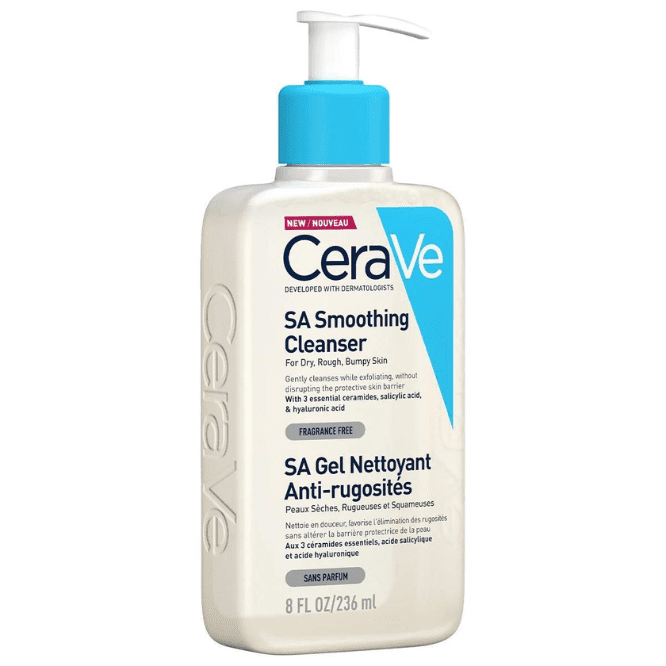
Cerave SA Smoothing Cleanser
Cerave is a familiar and well-loved brand by dermatologists. This gentle cleanser, enriched with salicylic acid, smoothes and fades dark spots.
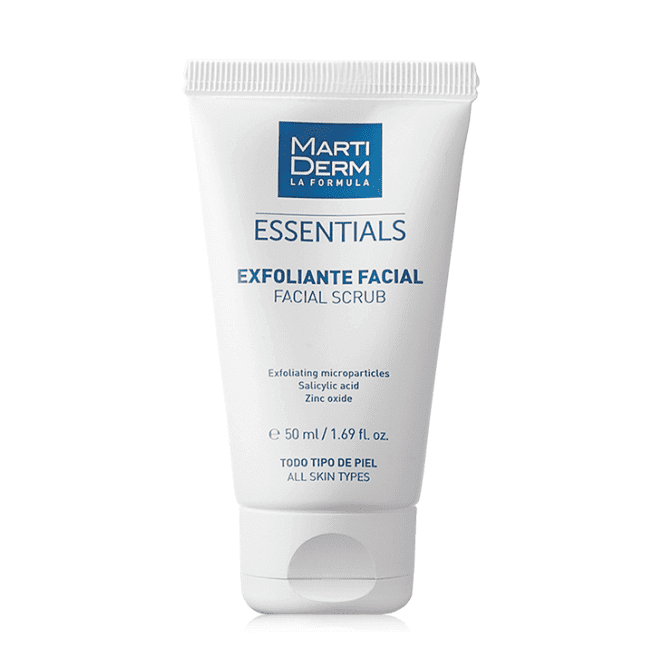
MartiDerm Facial Scrub
This deep-cleansing exfoliator with salicylic acid offers superior penetration and exfoliation which also minimises the appearance of pores.
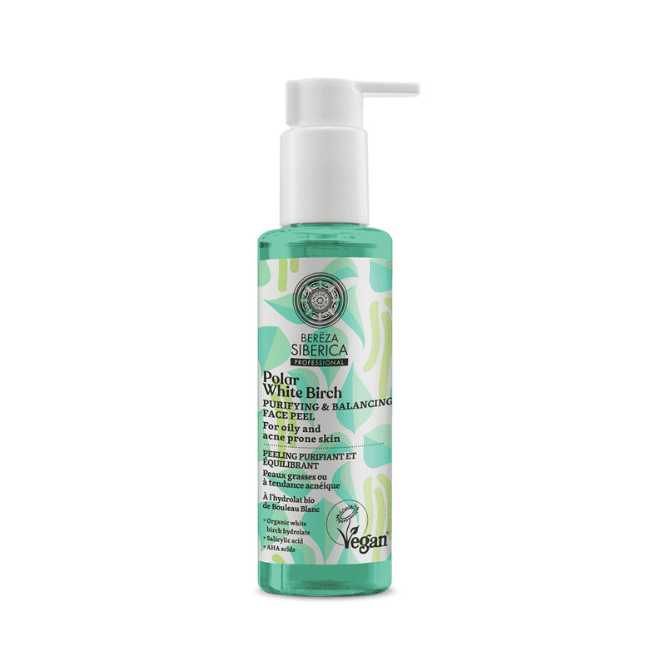
Organic Polar White Birch Purifying & Balancing Face Peel
This balancing peel gets deep with its acid base. AHA-acids minimise the appearance of large pores, to reveal a more even skin tone and texture. Salicylic acid, naturally found in willow bark, breaks down build-up in pores while reducing inflammation.
AHAs
‘There is an inaccurate assumption that Alpha Hydroxy and Beta Hydroxy Acids (AHAs and BHAs) shouldn’t be used on black and darker skin as they contribute to pigmentation issues.’
says skin health expert Jane Scrivner.
However, ‘when used correctly these acids work fabulously on black skin and Fitzpatrick 4-6 skin types. I call AHAs and BHAs “the housekeepers” of your skincare. Cleansing is fundamental but acid exfoliation provides an added reconfiguration that allows for any follow-up product to absorb more efficiently and effectively.’
Using an AHA in your routine helps to keep the skin’s pH where it needs to be – between 4.5 and 5.5 – however, it’s important to remember that everyone’s skin is different and has different tolerances, says Scrivner. ‘So rather than choosing an exfoliator specifically for its percentage – especially with some of the strong acids on the market right now, which can be damaging to the skin – if you’re new to the ingredient try zoning in on what you want to achieve from your AHA/BHA and going from there.’
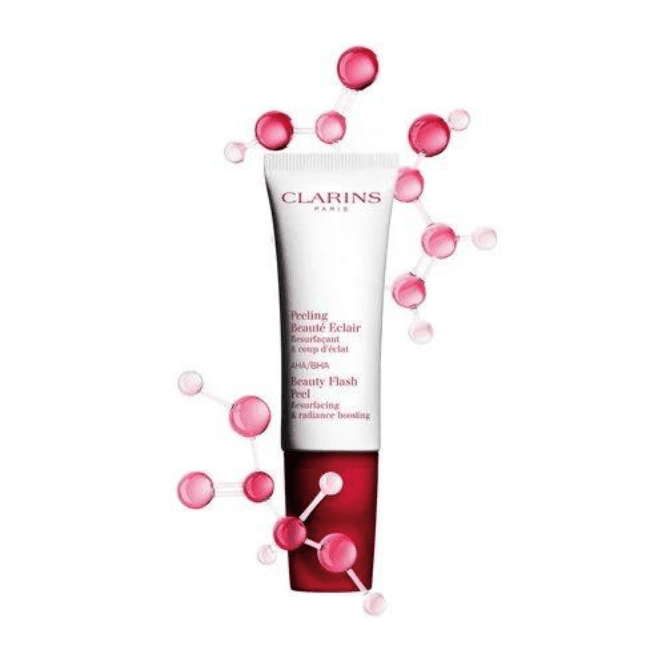
Clarins Beauty Flash Peel
Use at night to unveil a fresh face come morning. AHA’s exfoliate to remove dead skin and reveal a dewy glow.
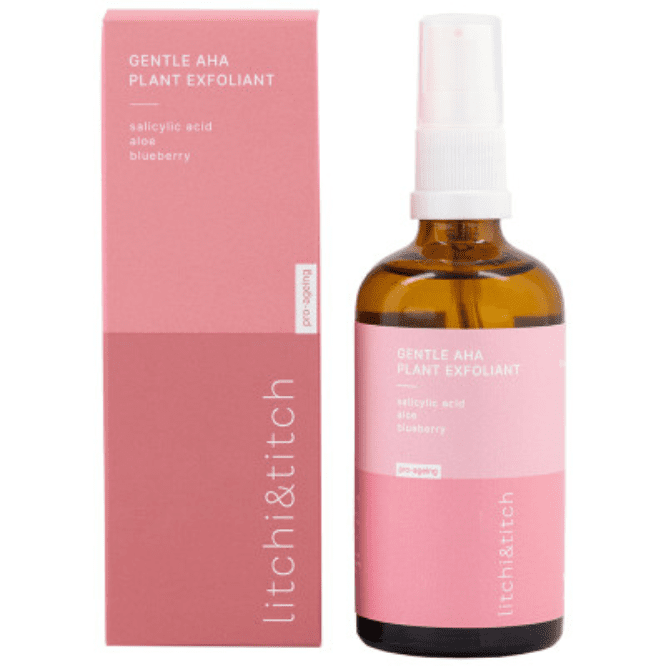
Litchi & Titch Gentle AHA Plant Exfoliator
Made with a blend of AHAs, salicylic acid, aloe & blueberry, these plant-focused ingredients work to lift out clogged pores and reveal fresh skin.
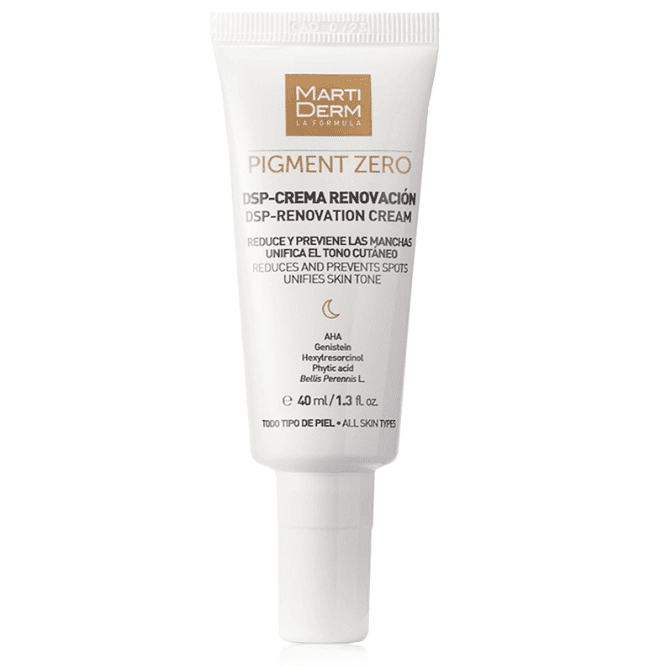
MartiDerm DSP Renovation Cream
Formulated specifically with darker skin tones in mind, this blend of ingredients works overnight. Key ingredients include Alpha-Hydroxy Acids that exfoliate the skin by encouraging cellular renewal, improving uneven skin tone or hyperpigmentation.
Vitamin A
‘Retinoids have reached a near-mythic status over the past few years,’ says Mackenzie Paterson.
‘As a vitamin A derivative and over-the-counter options, retinol can safely treat skin conditions like acne, uneven skin tone and texture, photodamage (like hyperpigmentation) and in some cases even rosacea, which can affect darker skin too.’
Although, before rushing to stock up on the latest Retinoids, Paterson advised that you think “low and slow” especially if you have melanin-rich skin. ‘Try a product with the lowest possible concentration of retinol (0.025%) or an encapsulated retinol. The product should feature time-release technology (meaning they can penetrate deeper in the skin before being activated) and are generally more tolerable.’
For extra caution, you can ‘apply a layer of moisturiser before your Vitamin A product; this provides a barrier between the ingredients and the skin without reducing the retinoids’ strength, and helps the product sink in slowly, decreasing the chance of irritation occurring,’ advises the founder of KMP SKIN.
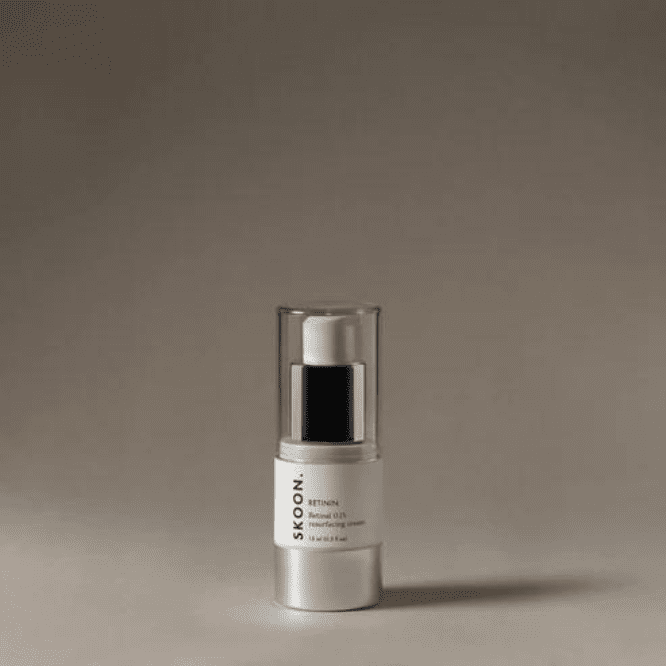
SKOON RETININ Retinal 0.1% Face Cream
Apply this serum at night for maximum results. The 0.1% potency makes it safe for first-time users, allowing you to build up your strength over time.
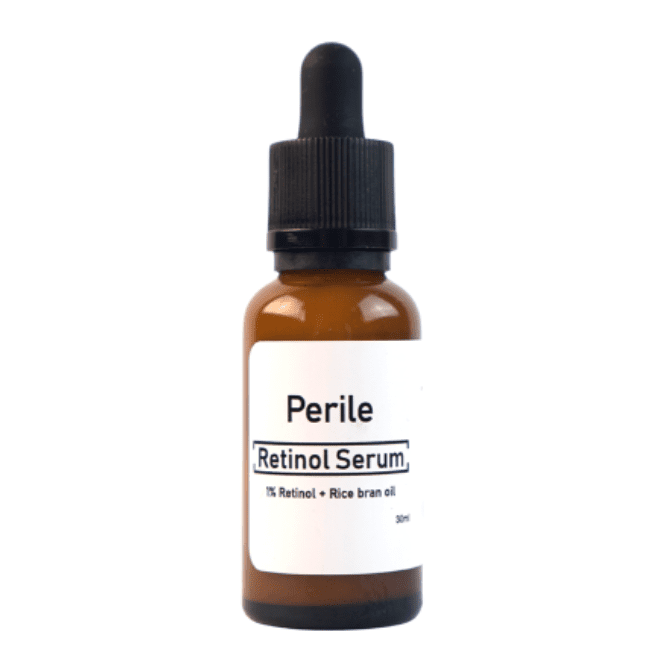
Perile Retinol Serum 1%
With a powerhouse combination of retinol and rice bran oil, this serum may help to renew skin cells, enhance collagen production and promotes even pigmentation.
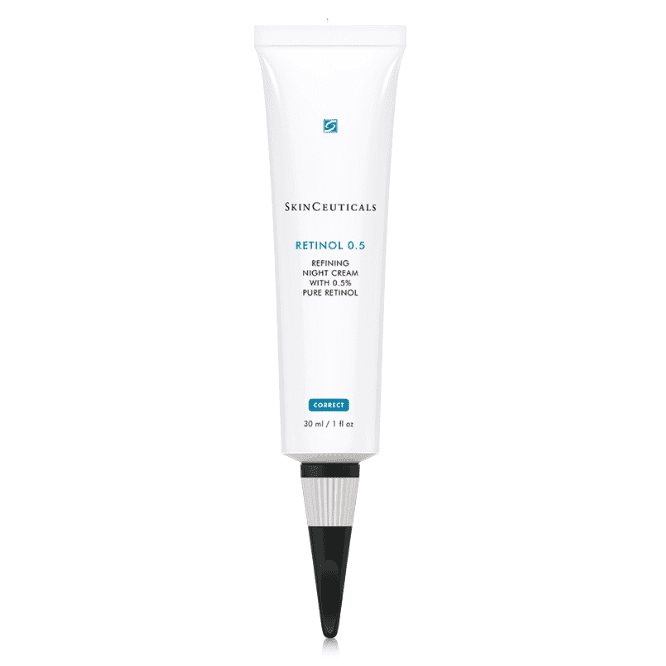
SkinCeuticals Retinol 0.5
Use at night for best results. This night cream lasts months, according to reviews and works to smooth fine lines, nix acne and reveal dewy skin.
Glycolic Acid
‘Glycolic acid – one of the most well-known acids from the alpha hydroxy acids family – is renowned for its ability to exfoliate, plump and brighten the skin,’ says Katharine Mackenzie Paterson. ‘Its small molecular size means it penetrates the skin quickly, which also means it has a reputation for potentially being quick to irritate and inflame when overused – especially on darker skin tones.’
This, however, doesn’t mean you have to completely rule it out. In fact, ‘superficial peels featuring the active ingredient improve PIH (Post-inflammatory pigmentation). For home use, as always I advise that you take things slow and steady,’ she continues.
How to incorporate glycolic acid into your routine? Sachets are a great way to control the exfoliation process and provide precise dosage, says Paterson, who also recommends using a calming, moisture-rich cream to help support the skin barrier.
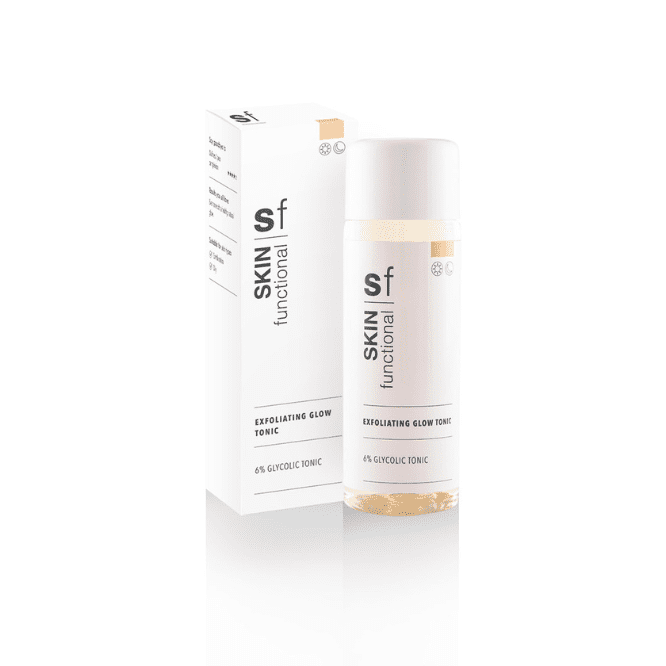
Skin Functional Exfoliating Glow Tonic
Tone your skin – yes, tone – with this glycolic acid. It’s in small enough amounts to not overwhelm your skin, but it’ll still sink in and get to work.
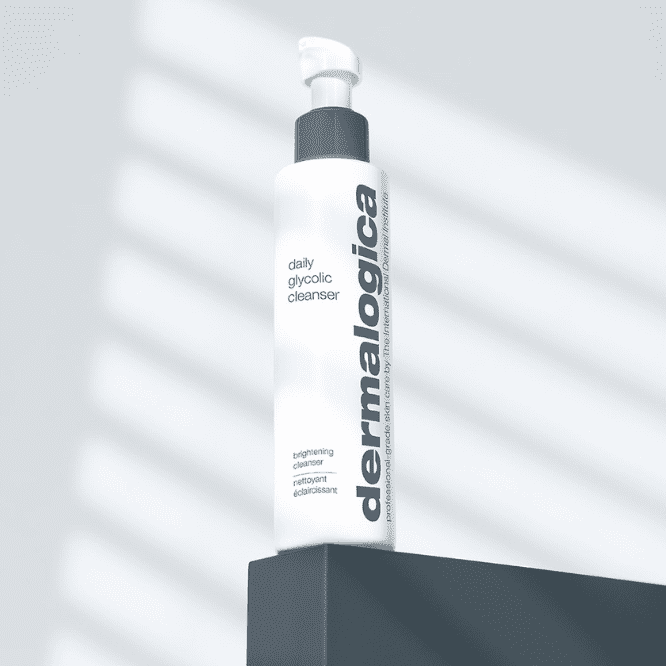
Dermalogica Daily Glycolic Cleanser
This daily cleanser delivers glycolic acid as you wash, revealing glowy skin when you rinse. Use daily for best results.
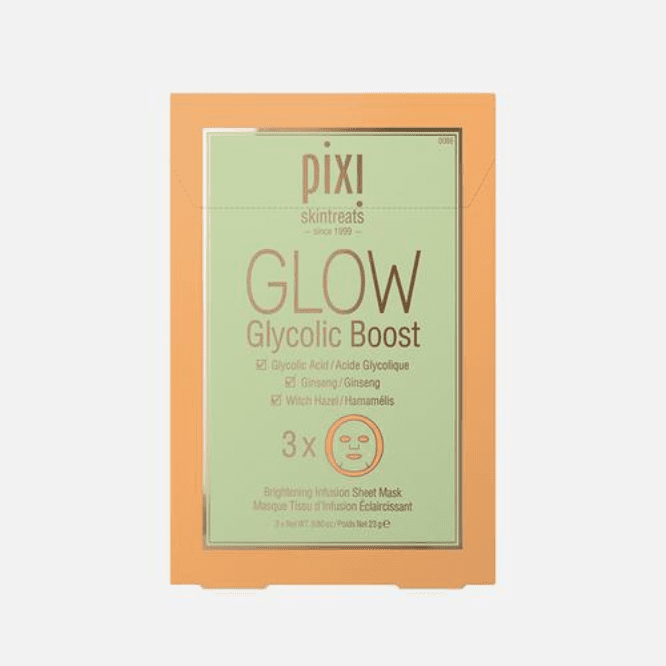
Pixi Beauty Glow Glycolic Boost Sheet Masks
Switch things up with a sheet mask! Not every skincare product in your arsenal needs to be a serum or lotion. These sachets deliver a powerful dose of chemicals. Use as required.
Niacinamide
‘Although niacinamide is perfectly safe to use on darker skin tones, because of myths around the ingredient’s brightening effect people typically think it has a bleaching effect.’ This, thankfully is far from the case, says Scrivner. Instead, the active can add depth of tone, glow and luminescence.
‘I would suggest using a 5% or more niacinamide product for best results,’ she continues.
‘This active works to strengthen skin by boosting Keratin production – keeping skin firm and bouncy – which can help improve acne and eczema conditions due to its anti-inflammatory properties; it can also improve hyperpigmentation and protect against environmental stressors.’
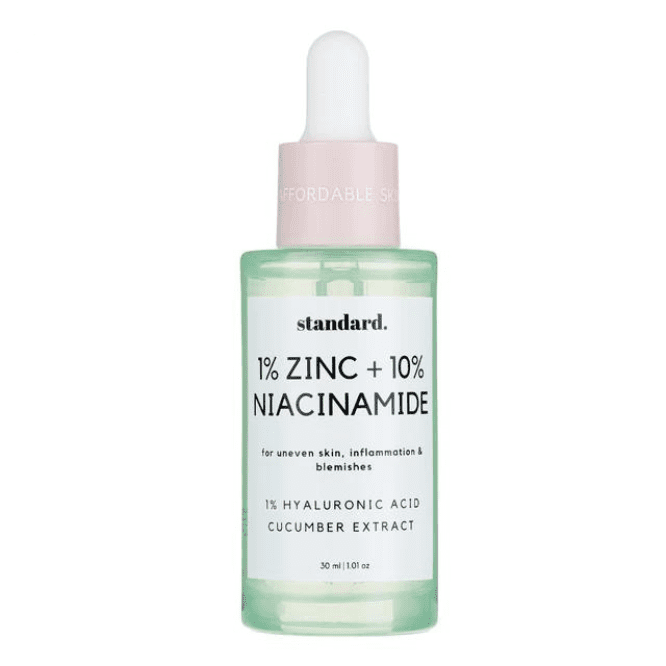
Standard Beauty 10% Niacinamide & 1% Zinc Serum
A gentle all-rounder, this serum contains hyaluronic acid and soothing cucumber to plump and restore skin.
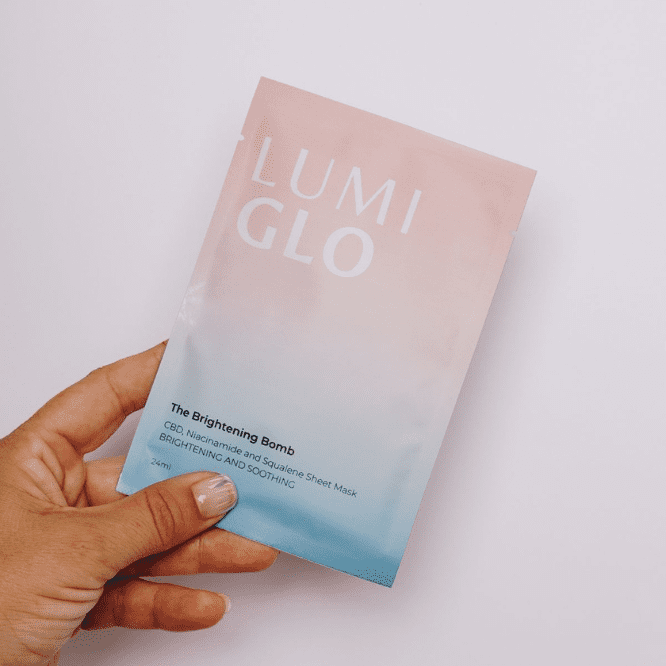
Lumi Glo The Brightening Bomb
Brighten up with this powerful treatment in mask form. One sheet contains a triple combo of CBD, niacinamide and squalene to brighten, soothe and hydrate.
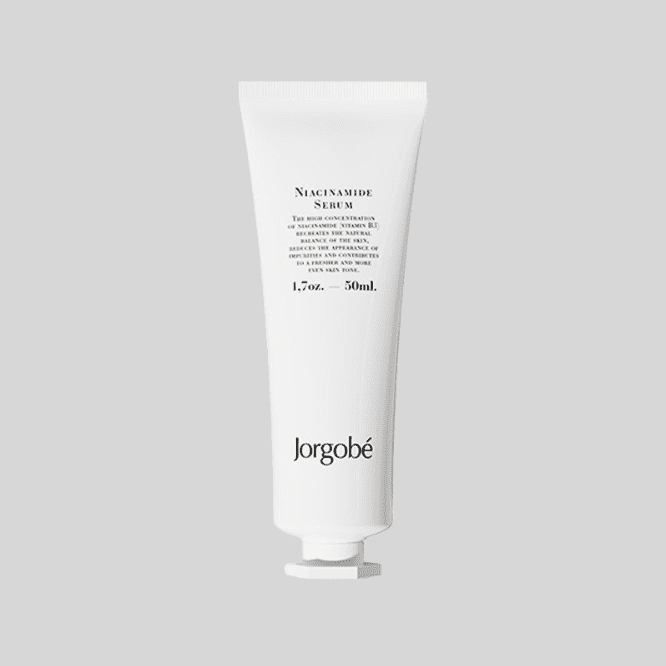
Jorgobe Niacinamide Serum, 50ml
This niacinamide serum packs a serious punch. Extracts from agarikon mushrooms tighten the skin and minimizes pore size, while hyaluronic acid in combination with betaine, which is extracted from sugar beets, protects the skin and works to balance the natural hydration.
Vitamin C
‘Whilst the antioxidant and brightening benefits of vitamin C have been widely praised, L-ascorbic acid (the gold standard in vitamin C) tends to be formulated at a relatively low pH level (around 3.5), meaning it can be irritating on the skin,’ advises Paterson.
Additionally, ‘there’s a harmful misconception that melanin-rich skin tones are more resilient, and therefore better able to tolerate high percentage topical Vitamin C products, but this is a myth,’ she continues. In fact, the epidermis in black skin has fewer ceramides (the lipids and fatty acids that form natural protection) meaning its barrier function can be inhibited, Scrivner adds.
Thankfully, next-gen vitamin C ingredients have a fatty acid base and higher pH level – formulated around 5.5 – making them gentler and significantly more hydrating on the skin.
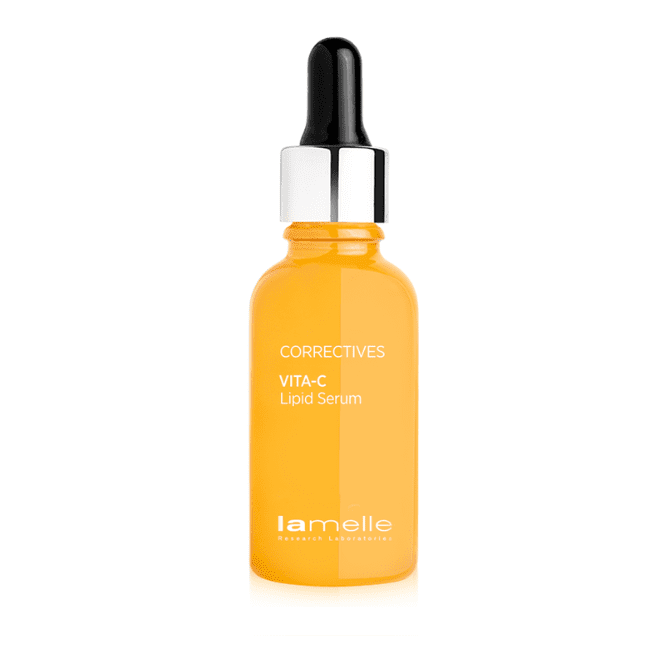
Lamelle Vita-C Lipid Serum
With a 20% vitamin C potency, this bad boy gets to work on hyperpigmentation on smoothing out other imperfections. It’s also enriched with jojoba oil, squalane and ginger root extract.
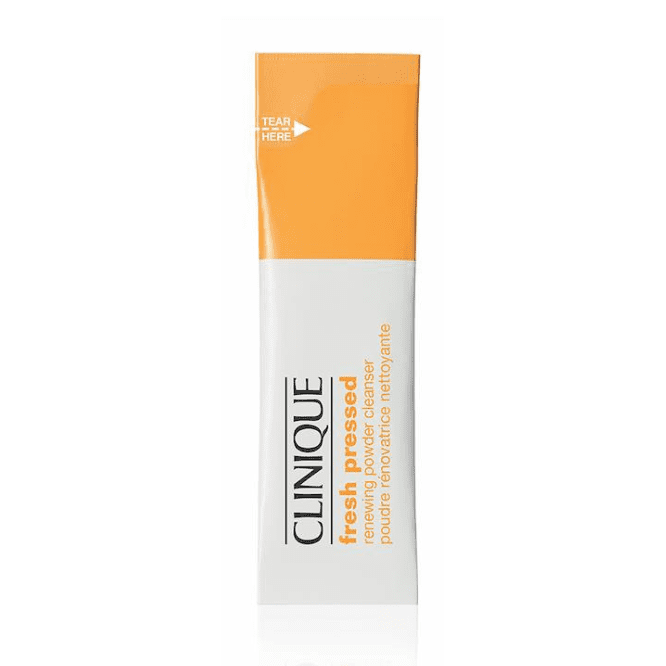
Clinique Fresh Pressed Renewing Powder Cleanser With Pure Vitamin C
Simply combine this powder with water to create an exfoliating cleanser that immediately brightens. This formula is also non-drying and won’t strip the skin of its own moisture.
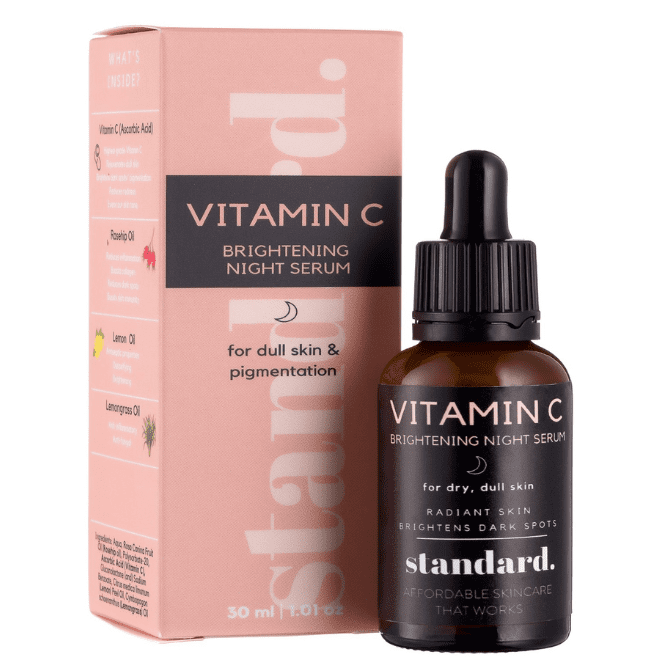
Standard Beauty Vitamin C brightening night serum
Ascorbic acid (vitamin C) combines with natural oils like lemon and rosehip to deeply moisturise and soften while perking up the skin. Apply at night and wake up glowing.
Skin expert and author of Black Skin: The Definitive Skincare guide, Dija Ayodele, also adds that when it comes to dispelling myths about black skin and actives, it’s important to remember that ‘oftentimes it’s not the active itself that makes a product unsuitable for Black skin, instead issues will arise because it’s simply unsuitable for the particular user.’
Finally, when in doubt Ayodele says:
It’s important to remember that ‘there really is no basis that Black skin can’t use certain ingredients; success or results are down to how said ingredient is being used; Black people can and should use skincare actives safely with guidance.’
This story was first published on womenshealthmag.com/uk