Since the dawn of time, women have endured the woes of menstruation: isolated for being ‘unclean’, prohibited from entering certain buildings, and most recently, stigmatised for having ‘the curse’. Although society has mostly shed (ha!) those beliefs, we’re now dealing with harmful chemicals in our menstrual products. As women continue the epic quest for safe menstrual products, we’ve come up with a few pointers to ID the best antimicrobial, antibacterial, toxin-free pads, tampons, cups and discs.
Which Harmful Chemicals Are In Menstrual Products?
A brand-new South African study from the University of the Free State (UFS) found hormone-disrupting chemicals in every single pad and panty liner they tested – even the organic products. The study identified three main groups of chemicals: parabens, phthalates and bisphenols (including BPA), which are linked to plastic, a component of sanitary products. These endocrine-disrupting chemicals are connected to health conditions like hormonal imbalances, cancer and infertility.
But this finding is not completely new. In 2023, a systematic review of studies from ten countries and Europe revealed that various endocrine-disrupting chemicals were found in menstrual products, which included phthalates, phenols and parabens.
Another U.S. study in Environment International detected 24 endocrine disrupters in feminine hygiene products, from panty liners and tampons to bactericidal creams and deodorant sprays. The authors noted the exposure was “significant”.
And, in 2024, a small study found arsenic and lead in organic and nonorganic tampons. This study has not been replicated in South Africa – and there’s no “safe” level of exposure to arsenic or lead, although experts say these levels are way below daily limits.
READ MORE: 15 Things Your Period Could Be Telling You About Your Health
Hormone-disrupting Chemicals Are In… Almost Everything
These chemicals (parabens, phthalates and bisphenols) have been identified in other studies, in other products. They’ve been found in baby wipes, pharmaceutical items and food. Women are also exposed to phthalates through perfumes, nail polish and products for skin and hair. According to Prof Deon Visser, head of the department of chemistry at UFS and co-author of the study, manufacturers don’t have to disclose every single chemical in their products, and the only BPA-related regulation is for baby feeding bottles.
How To Find Safe Menstrual Products
For now, Prof Visser recommends looking for the OEKO-TEX Standard 100 certification on your products, which limits harmful chemicals. Or, use reusable products like medical-grade menstrual cups or discs, or try 100% cotton reusable pads.
Certifications to look for
OEKO-TEX Standard 100, Ecocert/Cosmos (organic/natural cosmetics) and Global Green Tag (environmental and health safety) are all tags to look for when buying non-toxic, safe menstrual products. Afrisco is another organic certifier for food, cosmetics and textiles.
Which ingredients are safe?
Cotton is a winner – it’s light, breathable and skin-safe. Another ingredient you may find is TPU (thermoplastic polyurethane) – this is considered non-toxic in its finished form. Another type of polyurethane is Lycra, which is used in underwear. Medical-grade silicone in solid form is considered safe – it’s microbial resistant and hypoallergenic.
What if this product is difficult to use?
Reach out to the brand! It’s literally their job to make the best product possible for you. If you can’t reach your cup (or are experiencing another nightmare), send an email, slide a DM, and be the change you want to see in your period.
READ MORE: Painful Periods? PCOS? Meet The Hormone-Balancing Supps
Toxin-free, Sustainable, Safe Menstrual Products
These menstrual products are pads, tampons, panties and cups that are listed as free from toxic chemicals and endocrine disrupters. These products were not included in the UFS study, but many have certifications for safety.
Menstrual Cups & Tampons
FtN Regular Goddess Menstrual Cup
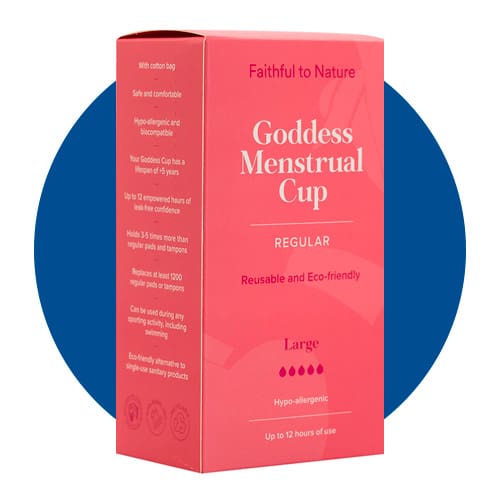
Made from medical-grade silicone, this cup has a useful bulb at the tip to help grip during removal.
Gentle Day Tampons
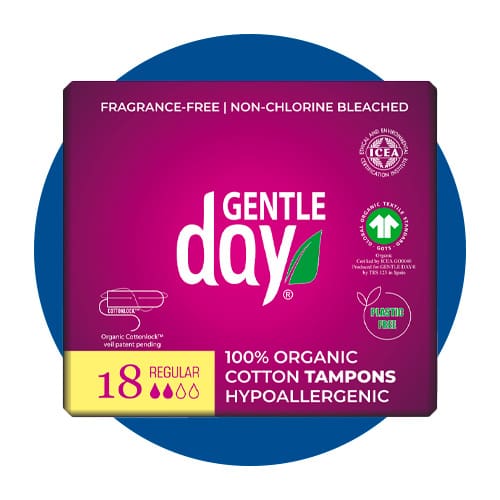
These tampons are made from 100% organic cotton and are hypoallergenic. They absorb up to 9g of blood and is 100% plastic-free.
Sheba Feminine Ultra-Soft Menstrual Cup
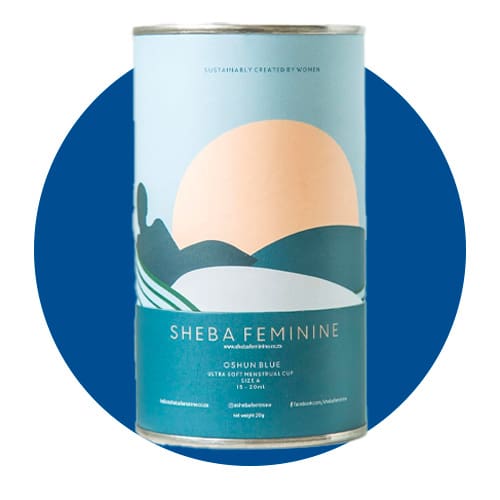
100% medical-grade silicone makes up this cup, free from toxins. A helpful ring at the end helps with removal.
PrincessD Menstrual Cup
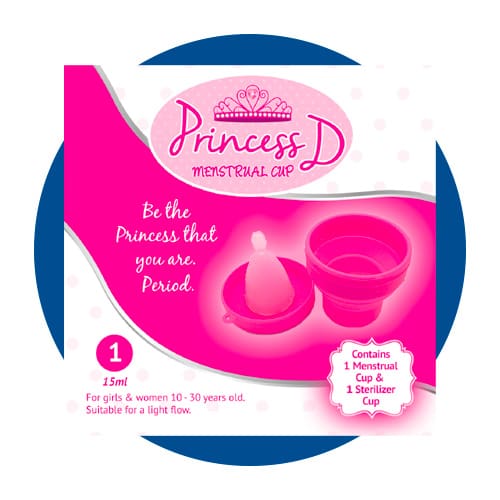
The PrincessD Menstrual Cup is a reusable, eco-friendly, cost-effective menstrual cup made from FDA-approved medical-grade silicone and has no toxins, bleaches, dyes or other chemicals.
READ MORE: Why It’s Important To Talk About Your Periods + How To Do It
Pads & Pantyliners
Petallite Organic Sanitary Pads
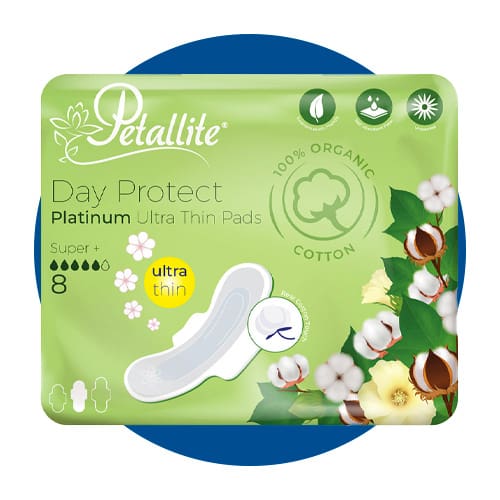
Carefully constructed from 100% cotton, a plant-based absorbent core and a PE waterproof backsheet. Plant power!
Hannahpad
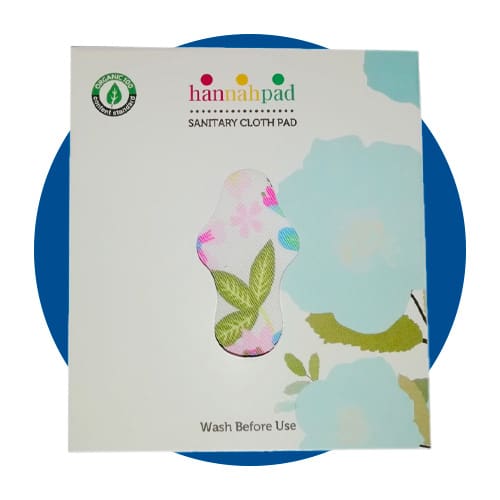
These eco-friendly reusable pads are made from 100% organic cotton and TPU, and are biodegradable. And, we’ll add a note of appreciation for the adorable designs of the fabric.
Eco Boom Daily Panty Liners
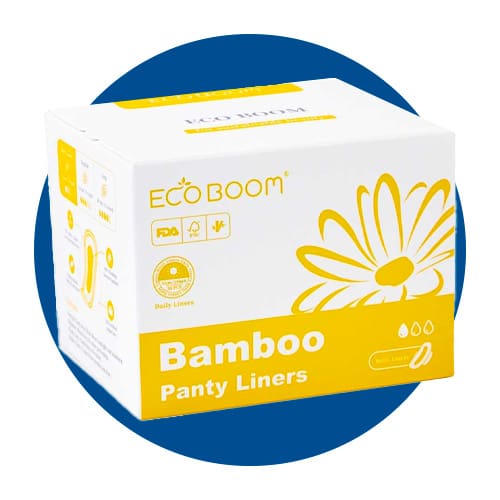
Made from 100% bamboo viscose and a biodegradable back sheet, this liner is plastic-free and without dyes or fragrances.
READ MORE: Eat This To Beat Period Bloat
Period Panties
Some period panties still contain plastic. We checked that these brands are free from scaries.
So Sassy Lycra Period Panties
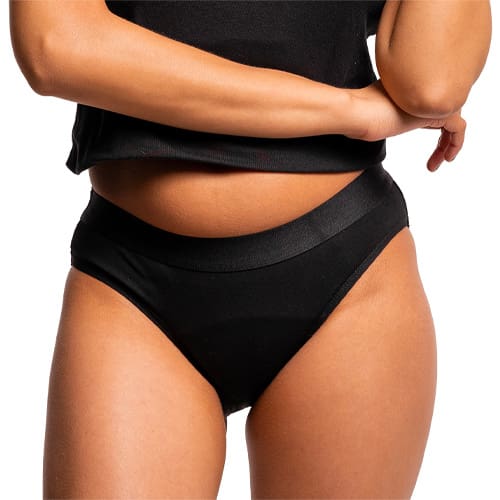
Made from four layers of absorbent cotton and leak-proof Lycra, these undies collect up to four tampons of blood.
Bodhi B Classic Bikini
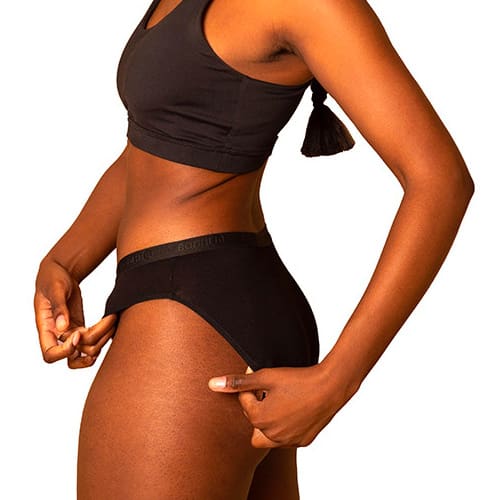
Made from 100% cotton Lycra and a 3-layer gusset with sustainable Merino wool. Naturally antimicrobial, antibacterial, and odour-resistant, this stays dry against the skin.
Boody
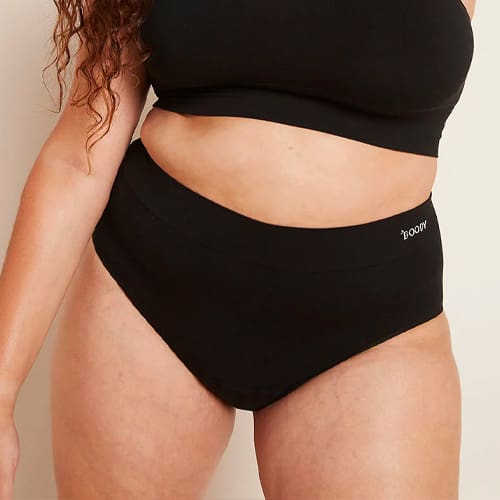
Made from bamboo viscose, nylon, elastane and 100% cotton, these briefs are certified by EcoCert and OEKO-TEX (STANDARD 100).
Women’s Health participates in various affiliate marketing programmes, which means we may get paid commissions on editorially chosen products purchased through our links to retailer sites.