Search “best exercise for fat loss” and be prepared for confusion and overwhelm: incline walking! Strength training! Pilates! Fasted cardio! Take your pick. So which one should we be trying? The question, contemplated since the dawn of obesity, has no simple answer, says WH Cover Search Top 20 entrant, PT and founder of SheLifts, Sherneal Joseph. “Even a well-designed, comprehensive exercise program cannot create fat loss on its own, let alone one single movement,” explains Joseph.
“Fat loss is influenced by many factors beyond exercise,” explains Joseph. “Hormonal fluctuations across the menstrual cycle, recovery capacity, nutrition, stress levels, sleep quality, and daily lifestyle habits. All of these directly impact energy balance, metabolism, and how the body stores or releases fat.” So, TLDR: no – there isn’t one, shiny exercise for slimming down.
Meet the expert: Sherneal Jospeh is a WH Cover Search Top 20 entrant, PT and founder of SheLifts.
Weight Training vs Cardio For Fat Loss: Which Is Better?
“From an exercise perspective, the fundamentals of fat loss come down to two main things: creating a calorie deficit and improving metabolic efficiency,” explains Joseph. And, strength training and cardio both work for fat loss – they help create the calorie deficit by upping how much energy your body burns through during exercise.
The case for weight training for fat loss
Joseph prefers strength training purely because of how it multitasks the fat-burning job. “Strength training not only burns calories during the session but also continues to burn energy afterwards through the ‘afterburn’ effect (EPOC: Excess Post-Exercise Oxygen Consumption),” she explains. And, as the body repairs torn muscle and works to recover energy stores, your total daily expenditure racks up, which allows your body to shed excess fat while creating a calorie deficit, she says.
Strength training also helps build and preserve lean muscle, which is metabolically active. More lean muscle increases your resting metabolic rate and improves your muscle-to-fat ratio, both essential for long-term fat loss and overall metabolic health.
Why cardio still matters
Crucially, cardio is so named because of how healthy it is for the heart – and getting it pumping is part and parcel of healthy fat loss. Cardio contributes to a calorie deficit and, says Joseph, it helps improve insulin sensitivity, which is important because insulin regulates how the body uses or stores energy. “Better insulin sensitivity supports fat metabolism and reduces the likelihood of excess energy being stored as fat,” says Joseph.
How To Create Your Best Exercise Plan For Fat Loss
So… what’s the verdict? Well… while there may not be one best exercise, there is a smart way to tackle them. There is a best *approach* to fat loss, says Joseph. The best approach to losing excess fat is to take multiple factors into account and comprehensively address them. These will include your time availability, your exercise preferences, yes, but also your hormonal situation, stress levels and nutrition.
Female factors impact fat loss
“[Women’s] physiology is dynamic,” explains Joseph. “Hormones fluctuate across the menstrual cycle, recovery needs shift, and stress or lack of sleep can influence appetite, metabolism, and fat storage.”
Now, with more studies designed by women and for women, research is finally reflecting female-specific factors such as hormonal shifts, differing stress responses, unique recovery needs, and metabolic changes across the cycle. “These insights give women a clearer understanding of how to combine strength training, cardiovascular activity and well-timed recovery for sustainable fat loss results,” says Joseph.
Make more muscle to burn fat
For exercise specifically, Joseph thinks of it as a combo box of “strength training, cardio, balanced intensities of movement and proper recovery”. By combining all elements, this fat loss plan supports overall well-being and is sustainable. Remember, Joseph says: “fat loss isn’t about one exercise, shortcut, or one-off solution. It’s a long-term, holistic process. “Compound exercises that recruit multiple muscle groups burn more calories than isolation exercises and support an overall calorie deficit,” explains Joseph.
Try her go-to bodyweight and weighted moves:
Push-Ups

Targets chest, shoulders, triceps and core; can be modified to match any level.
Deadlifts
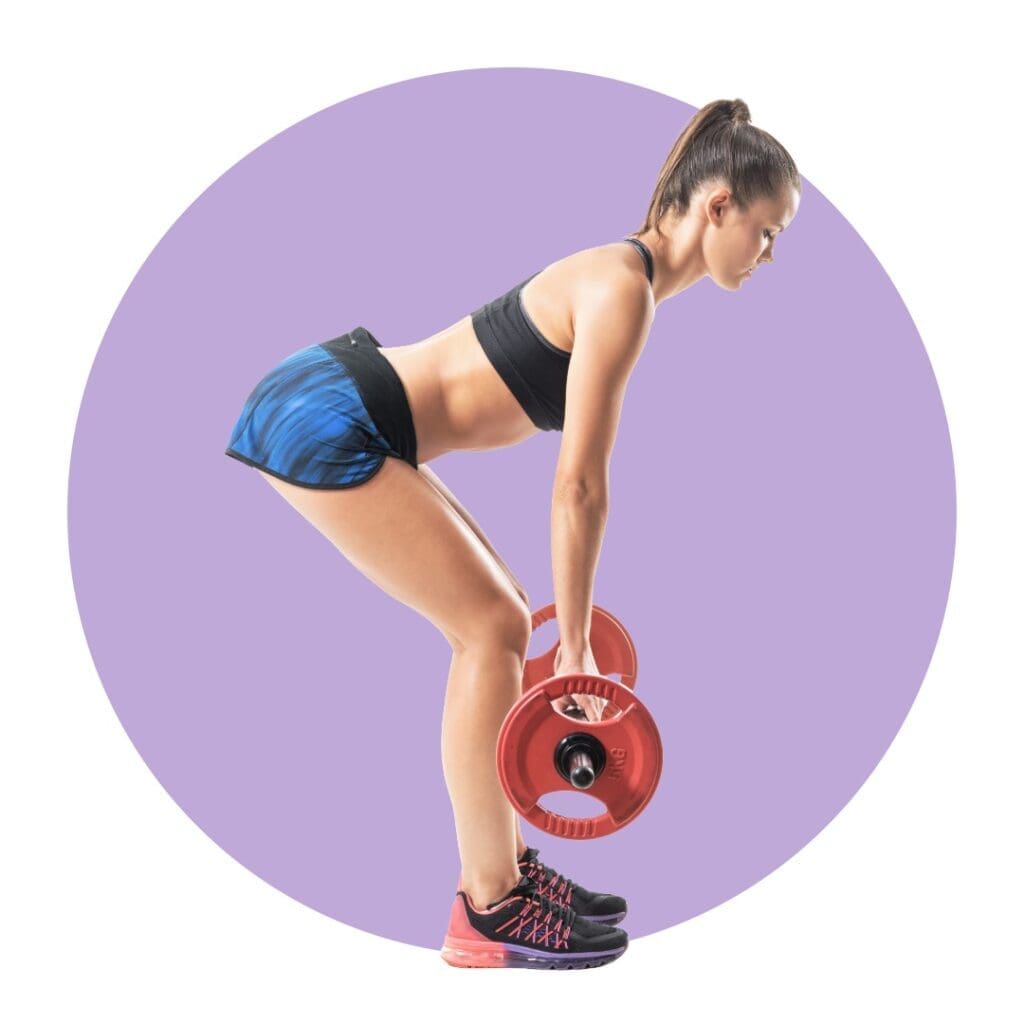
A classic: targets hamstrings, glutes, back, and core.
Squat-To-Press
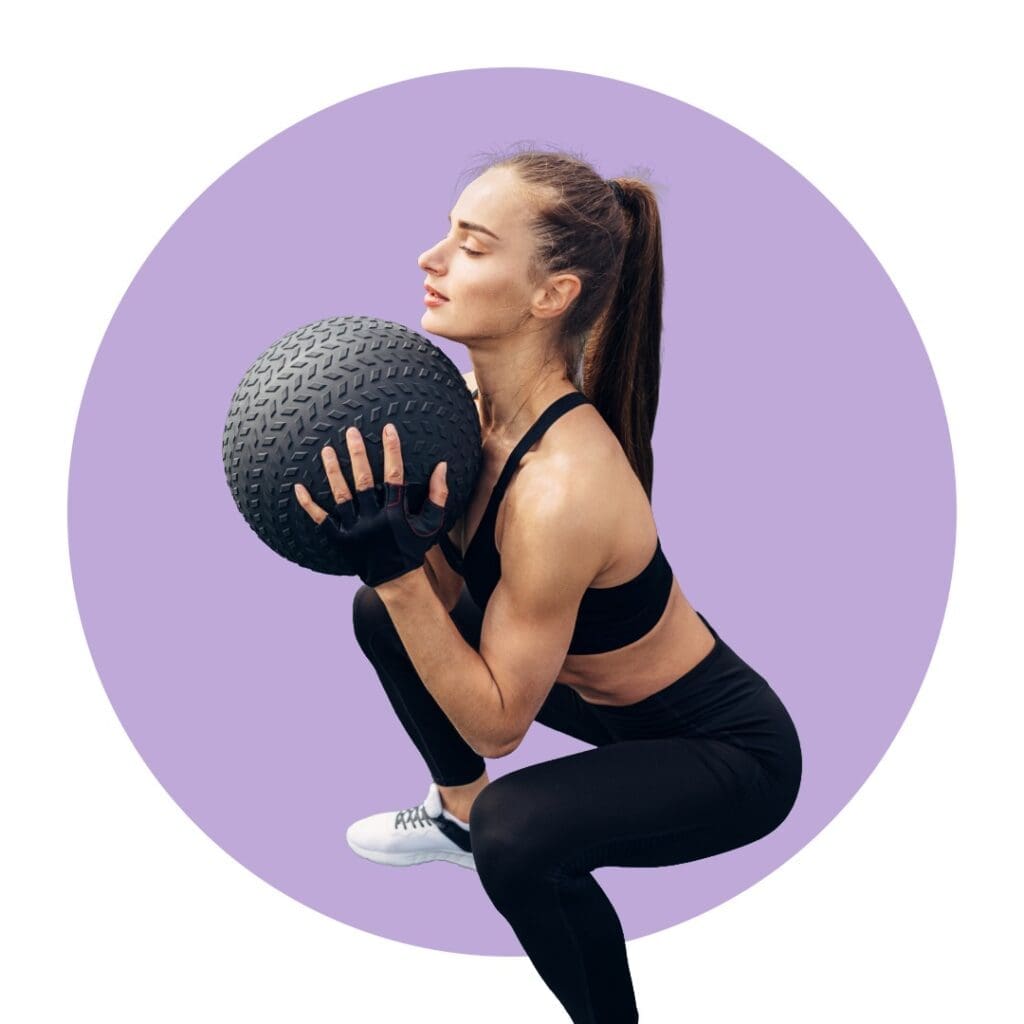
Combines a squat with an overhead press for legs, glutes, shoulders, and core.
READ MORE: Best Training Apps For 2026 To Help Improve Your Performance
How to structure your workout splits for fat loss
Try Joseph’s balanced framework for designing your workout week.
Strength training
“Strength training builds lean muscle, boosts metabolism and improves body composition.”
Do 2-3 per week
HIIT
“Short, focused bursts elevate your heart rate and metabolism.”
Do 1-2 sessions weekly
Low-Impact
“Great for recovery, flexibility and hormonal balance.”
Do 1-2 sessions weekly
Cardio
“Steady-state cardio boosts heart health and daily calorie burns. Do it post-workout.”
Do 2-4 sessions every week